Experience dives become smoother, warmer, and more memorable. Staff come across as attentive instead of critical. Over time, that is what builds repeat business.
ONE OF THE EASIEST TRAPS for dive operations to fall into is assuming every guest interaction should sound instructional. That instinct may come from intentions, but in the wrong setting it creates friction. Formal training demands structure, demonstration, correction, and assessment. Guided recreational diving, by contrast, depends on flow, reassurance, and support. When those two environments blur together, the result can erode safety, satisfaction, and staff performance. This is the fourth of a 12-part series on ‘Delivering Extraordinary Service’ for dive operators.
Operations need a deliberate boundary between instructional products and experience products. Each promises something different and requires different staff behavior to deliver well.
In a course, the central objective is measurable skill development. Students are there to learn, be corrected, and prove they can meet standards. That requires instructors to monitor details, intervene often, and maintain control. None of that is optional. It is exactly what training should feel like.

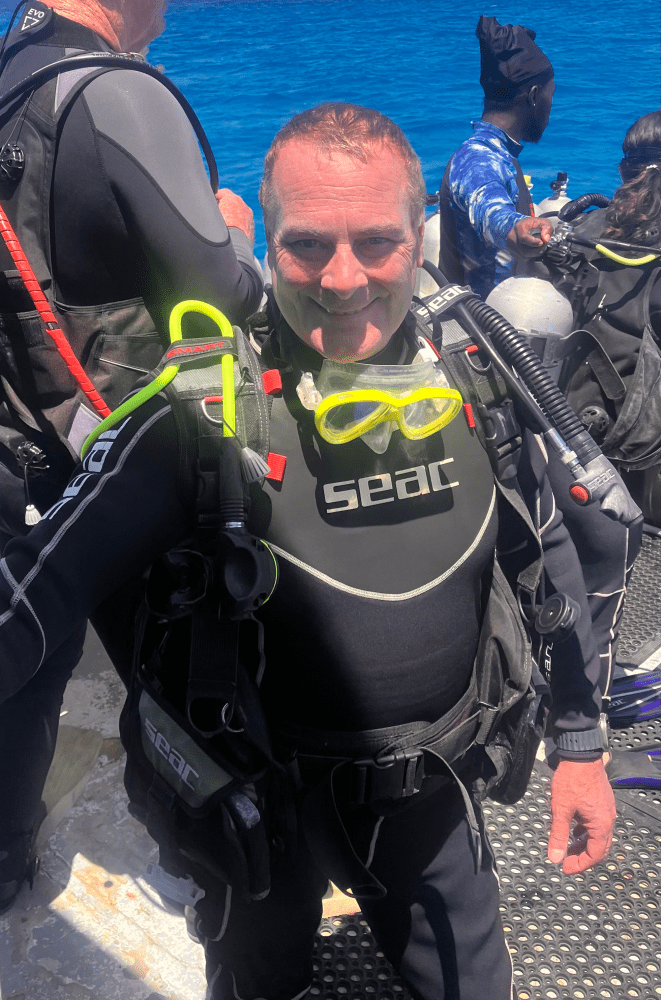
A resort dive, discover program, or standard charter is different. Guests there are not buying a check-ride. They are buying confidence, enjoyment, guidance, and a sense that the operation is taking care of details. The moment a staff member starts treating that environment like a classroom, the tone changes. Guests can become self-conscious or hesitant, and service quality begins to decline quickly.
This is why staff development must teach context, not just procedure. On an experience dive, the primary job is to make the guest comfortable enough to communicate and relaxed enough to enjoy the day. The focus shifts away from judging performance and toward recognizing needs before they become problems.
This matters more than many leaders appreciate. Entry-level courses often teach equipment handling in ways that look different from a normal boat day. If staff treat pre-dive gear setup as an exam, they may misread the diver and create pressure. Turning that moment into a test adds stress instead of clarity.
Paid Advertisement
A better system encourages staff to support first and diagnose second. Short conversations, calm assistance, and a steady presence reveal far more than passive judgment. Guests who feel at ease are more likely to mention concerns, clarify limits, and accept help before a small issue becomes a larger one.
People rarely volunteer uncertainty when they feel measured. They are more likely to speak honestly when they feel looked after.
Separating the two environments also reduces internal strain. Staff members perform better when the expectations of the day are clear. They should not be toggling between teacher, evaluator, host, and guide without understanding which role the product requires. When the assignment is clear, consistency improves.
Training systems should reinforce that helping is not a weakness in experience settings. It is good service and good judgment. Management should reward proactive support rather than allowing ego or misplaced notions of guest competence to shape behavior.
This clarity also improves culture. Teams spend less time complaining about customers and more time examining whether the product, briefing, pace, and staff approach matched the dive being delivered.
Most importantly, customers feel the difference. Experience dives become smoother, warmer, and more memorable. Staff come across as attentive instead of critical. Over time, that is what builds repeat business.
As this series continues, one theme keeps returning. Extraordinary service is not about adding effort. It is about aligning behavior with purpose.
Next month, we’ll move from philosophy to execution by examining boat preparation, and why guests begin forming opinions about safety and professionalism before a single word is spoken.
Paid Advertisement

Click here to read this article on our Flippingbook platform.
More from This Issue:
APRIL 2026 ADVERTISING PARTNERS