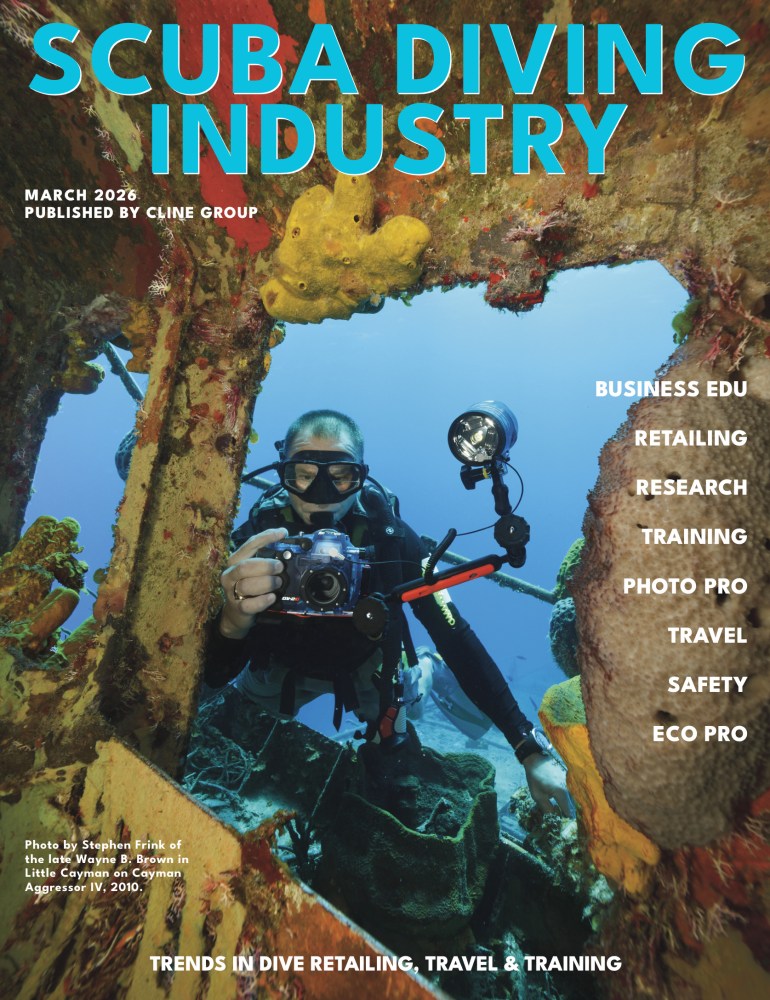
For shipwreck enthusiasts, several purpose-sunk ships in 100 feet of water are reachable via shore dives.

THE MEDITERRANEAN SEA begins where the Rock of Gibraltar strains to meet Morocco to the west and splashes on the shores of Syria, Israel and Lebanon to the east. Europe stretches to the north and Africa to the south. It is a body of water that is home to a rich history of civilizations past and present that have plied these waters for economic benefit, cultural exchanges and furious conflicts.
And in the center of this legendary sea is the archipelago of Malta.
The islands of Malta, Comino and Gozo lie just one hour south of Sicily by fast boat and due north of Tripoli in Libya. Strategically important because of their location in this vast body of water, Malta has been fought over for generations by various empires and nations.
For divers, Malta’s crystal-clear waters and intriguing underwater terrain, coupled with fascinating sunken history, create an exciting dive destination. Indeed, this is no secret among European divers who visit these islands frequently but for North American divers, Malta remains exotic and somewhat underpublicized.
This guide to diving Malta can be used by dive shops looking to include Malta as a group travel destination for their customers or dive clubs, or by individuals looking to experience Mediterranean diving at its best.

Why Dive Malta? Malta is a stable European country with a rich history dating back centuries, an emerging and vibrant cultural scene along with a plethora of unique dive opportunities fueled by a diver-friendly government.
Those planning travel to these islands will find:
- Many world-class diver-friendly shore diving locations
- Plenty of hotels and resorts to accommodate different budgets
- Great restaurants and food options
- World class shipwrecks, both historical and purpose-sunk for divers
- Recreational and tech diving services for all skill levels, with dives to deep wrecks and caves available for properly certified divers
- Easy travel logistics with many gateway cities throughout Europe
When is the best time to visit Malta? The best time to visit Malta is between June and October, when the waters are warmest (73-80F degrees) and visibility reaches 100 feet. Many divers feel that September is the best month of all to visit. The Malta dive year looks like this: Summer (June–August): Hottest weather and warmest water (73-80F degrees water temperature) perfect for boat and night diving. Autumn (September – October): Highly recommended for comfortable water, great visibility, and fewer crowds. Winter (December – March): Possible to dive with drysuits/thick wetsuits; water temperatures drop below 60F degrees, but the waters are generally calm. Spring (April – May): Water warms up, visibility increases, and marine life becomes more active.

Malta has a Mediterranean climate with hot, dry summers and mild, rainy winters, boasting over 300 days of sunshine annually.
What are some of the diving highlights? The archipelago of Malta (including Malta, Gozo and Comino) features a diverse set of dive experiences. For shipwreck enthusiasts, several purpose-sunk ships in 100 feet of water are reachable via shore dives, along with the Um El-Faroud, a 10,000 ton Libyan oil tanker that exploded while in dry dock in Grand Harbor, Malta on the night of February 3, 1995. Deeper shipwrecks, including World War II casualties and sunken aircraft lie in the range of tech divers.

Geologically, Malta and her sister islands present intriguing dive opportunities to explore blue holes, caves, caverns and massive boulder formations.
Logistics:
- Travel to Malta through a gateway city in Europe.
- Arrange your diving through one or more of the local dive operators. There are plenty to choose from, spread throughout the country and on Gozo. Dives are often a combination of shore dives and boat dives; contact the dive operators to find out which offers the type of diving you are interested in.
- A wide variety of accommodations are available throughout Malta.
- Diving schedule: 2-tank mornings are standard. Shore dives are conducted by transporting divers to local dive sites in small vans and buses. Malta-based operators can arrange trips to Gozo and can take care of ferry arrangements, etc.
- Certification: Open Water or higher suits most sites; Advanced/Nitrox recommended for longer profiles and the deeper shipwrecks. It’s best to check with the dive shop if the wrecks you plan to dive require Deep and/or Wreck certification.
- Dive conditions: Occasional strong currents on certain wrecks and shore diving sites.
- Tech diving is accommodated on deeper sites, caves and shipwrecks. Make sure you discuss your support needs ahead of time.
Group dive trips: Dive shops may wish to add Malta as a destination for organized group travel. Contact any of the local dive shops to arrange accommodations and dive support. A group tour might be configured to accommodate both tech and recreational divers; contact the dive shops to find the ones that can accommodate both types of divers. There are no liveaboards here; plan to stay in hotels or resorts close to the dive shop you will be working with.
Paid Advertisement
Dives not to be missed. These are some of the most iconic and best dives in Malta:
Malta:
- Cirkewwa: one of the most popular dive sites in Malta. Located on the north-west side of the island. Perfectly equipped for divers, the shore diving site offers shipwrecks, arches, small caves and tunnels.
- Rozi shipwreck: deliberately sunk in 1992 as an underwater attraction for divers. The Rozi lies upright in 100 feet of water on a sandy bottom. This is one of the most popular dive sites in the Maltese Islands.
- P-29: Purposely sunk on August 14, 2007, this is an accessible shore dive to a wreck lying upright in 100 feet of water.
- Arch and Madonna Statue: Located in the north of the island, this site features a spectacular drop off from 25 feet to 90 feet. With small tunnels and caverns, a highlight is a dramatic underwater arch.
- Um el Faroud shipwreck: This 330-foot tanker was sunk in September 1998 after an explosion in the large bay of Valletta, causing the death of nine workers while they were performing maintenance. The wreck sits in 100 feet of water and is accessible via a shore dive.
- The Bristol Beaufighter: This is a WWII aircraft that crashed during training in 1943. The wreckage sits in 120 feet of water.

Gozo:
- The Blue Hole: one of the most famous dive sites in the archipelago. This unique rock formation is accessible from the shore and is a secluded body of water fed from the ocean through the bottom. However, divers can only reach this dive site after a difficult and treacherous walk in full gear over rough and slippery rocks. Still, the dive is worth the effort. Divers descend through the vertical chimney to a maximum depth of 100 feet and then journey into the open ocean where they will encounter a beautiful rocky reef to explore.
- Inland Sea: Another shore dive where divers begin the dive in a shallow and confined bay. A tunnel extends from this bay under a massive rock coast to the open sea. Once divers emerge from the tunnel, they can explore a dramatic wall, which drops to more than 150 feet.
Non-diving add-ons: A dive trip to Malta should also include tours of the country to explore its rich history and vibrant culture. Some sites of interest could include:
- Ġgantija Temples (Gozo) are among the oldest freestanding structures in the world, predating the Egyptian pyramids.
- Ħaġar Qim & Mnajdra Temples are Neolithic temple complexes located on the southern coast.
- Valletta is the capital city, featuring St. John’s Co-Cathedral, Fort St. Elmo, and the National War Museum
- Lascaris War Rooms (Valletta): Underground tunnel complex used during WWII.
- Fort St. Angelo: A large fort in Vittoriosa.
Summary: Malta is a diving gem in the middle of the Mediterranean Sea. Divers of all skill levels and interests will find the experience of diving Malta to be enriching and exciting. Shipwrecks, caves, geology, history and marine life combine to create a fascinating travel experience.
Paid Advertisement

Click here to read this article on our Flippingbook platform.
More from This Issue:
APRIL 2026 ADVERTISING PARTNERS