Entire communities remain largely untapped, not due to lack of interest, but lack of access, exposure, and clear entry points.
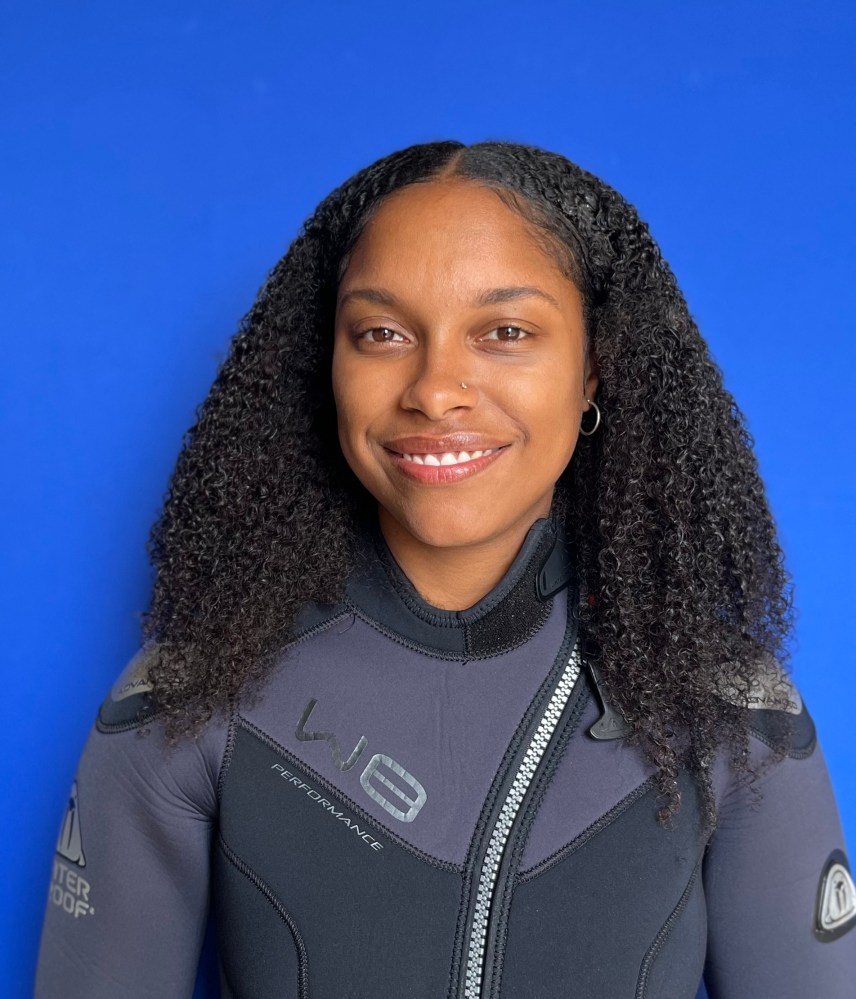
by Kayla McIntyre, Dive Director, EECI/Entrepreneur Educational Center
Click here to read this article on our Flippingbook platform.
Across the dive industry, there is a shared challenge: how do we bring new people into diving and keep them there?
I don’t want to come off as a diver who thinks he has done or knows it all. Instead, I want to tell you what it was like for a diver with my background to prepare for and make my first trips to the Arctic and Antarctica. Lucky me, I was part of the Imaging Team on two trips run by Faith Ortins of Blue Green Expeditions (bluegreenexpeditions.com). Faith has led more than 25 trips to polar regions in recent years. Sharing these adventures is her passion in life.

For many retailers and instructors, the traditional model relies on walk-in customers, referrals, or tourism-based experiences. While effective, this approach often reaches the same audiences repeatedly. Meanwhile, entire communities remain largely untapped, not due to lack of interest, but lack of access, exposure, and clear entry points. Our program in Los Angeles was built to address that gap.
The Ozie B. Gonzaque Pre-Apprenticeship Dive Program introduces black and brown adults from underserved communities to scuba diving through a structured, 12-week training model. Participants are selected from a competitive applicant pool and begin their journey through the PADI Open Water Diver course, with opportunities to continue into advanced training.
What we have learned is simple: the interest is there. The barrier is the pathway.
In many retail environments, entry into diving is designed for individuals who are already comfortable in the water and ready to move quickly through certification. For first-time divers, especially those without prior exposure to ocean environments, this model can be a limiting factor.
Our approach extends the timeline and increases support. We incorporate classroom sessions, equipment orientation, and guided discussions alongside in-water training, allowing students to build familiarity and confidence before progressing. This highlights an important opportunity for retailers and instructors. Expanding how entry-level training is delivered can significantly broaden participation.
One of the most consistent lessons from our program is that trust is built before a student ever enters the water. Many participants arrive with uncertainty about swimming, the ocean, or whether they belong in diving spaces at all. Creating a welcoming, supportive environment has a measurable impact on retention and success.
Paid Advertisement
One participant from our 2024 cohort, Jessica Ojeda, continued on to become an advanced diver and is now pursuing a path toward professional diving. She credits the program with strengthening her skills as a lifeguard, building lasting friendships, and increasing her confidence in the water. Inspired by mentorship from retired Los Angeles Fire Department firefighters, she is exploring public service opportunities and hopes to become an instructor and representative of her community. She plans to continue toward Rescue Diver certification and has developed an interest in underwater photography. Her experience reflects a broader outcome we see across the program: when given access and support, students begin to see a place for themselves in the ocean and in the industry.


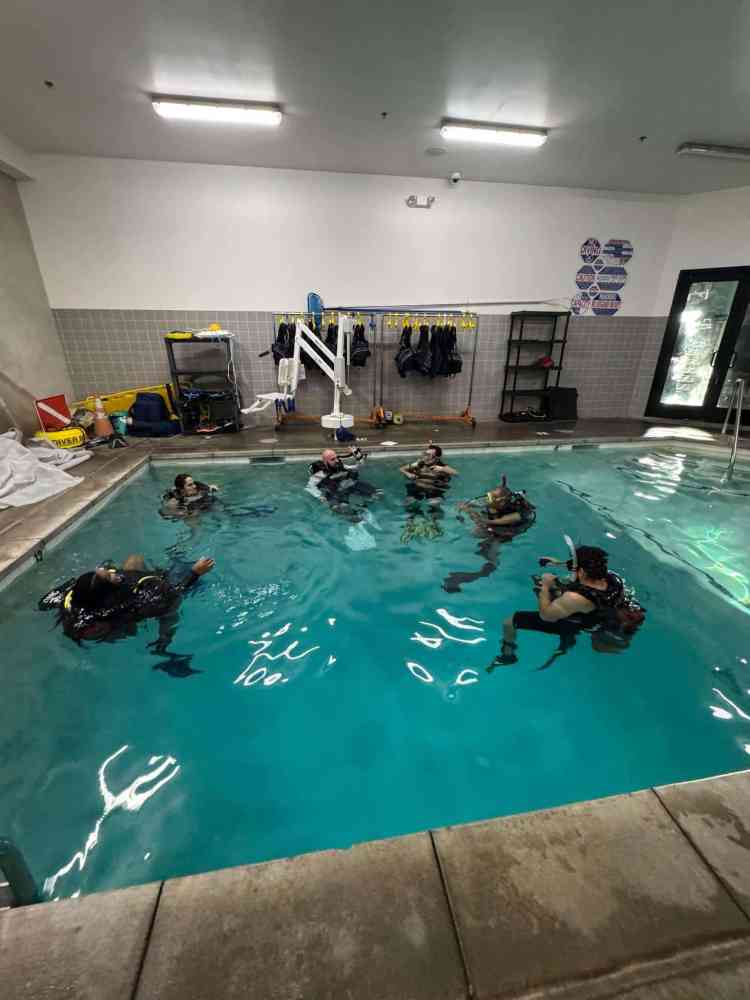
For dive businesses, this translates into a practical insight. Investing early in customer comfort and education leads to stronger long-term engagement. Supported students are more likely to complete certification, continue training, and remain connected to the dive community.
Programs like ours rely on partnerships with local dive retailers and industry stakeholders. These collaborations provide essential resources while also creating growth opportunities. By engaging with community-based programs, retailers can reach new audiences, build long-term relationships, and position themselves as leaders in expanding access to the sport.
The future growth of diving depends on expanding who has access to it. Reaching new communities does not require reinventing diving, but rethinking how we introduce it. A more inclusive pipeline means more divers, more customers, and a more resilient industry. The question is no longer whether new communities are interested in diving. The question is whether we are building systems that invite them in and support them once they arrive.
Paid Advertisement

Click here to read this article on our Flippingbook platform.
More from This Issue:
APRIL 2026 ADVERTISING PARTNERS