
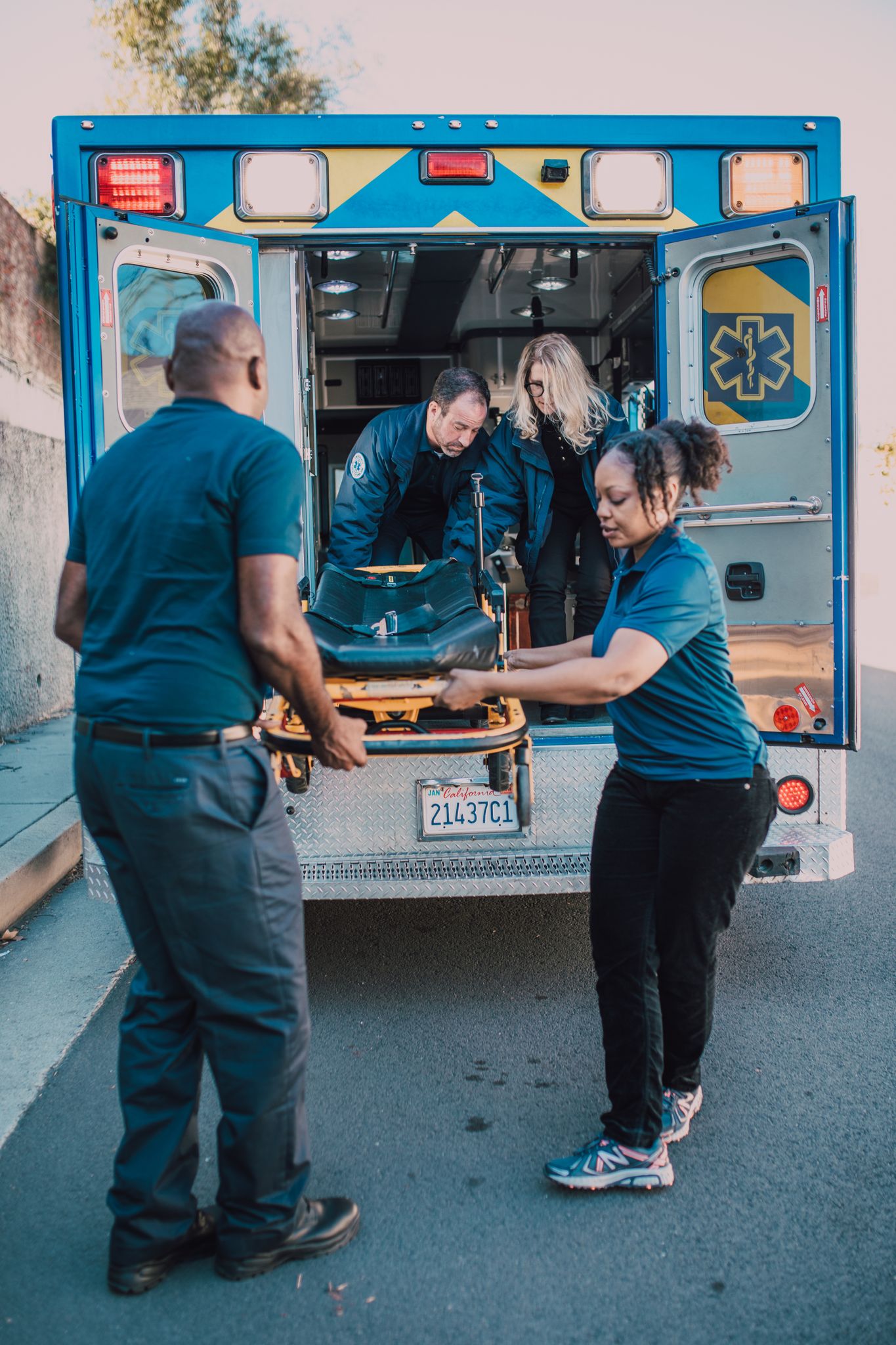
This is the first part of a four-part series on breaking down a serious accident and the possible litigation that might result from the incident.

by Al Hornsby, owner, Al Hornsby Productions, Singapore
Al is regarded as one of the industry’s most experienced risk management litigation executives.
Click here to read this article on our Flippingbook platform.

William Cline, Publisher, Scuba Diving Industry Magazine and President, Cline Group
Editor’s Note: This series is intended to help dive professionals understand the operational and legal process that may follow a serious diving accident. It is not legal advice. Laws, reporting requirements and insurance policies vary by location. Dive operators should review their emergency procedures with their training agencies, insurance providers and qualified local attorneys.
Accidents happen to even the safest operations and instructors. If you work with enough people, someone will need emergency medical care, even if you do everything 100% correctly. No dive professional begins the day expecting to manage a serious accident. We arrive at the store, resort or boat expecting to take people diving and bring them back with great stories to tell.
Then something happens.
A diver fails to surface with the group. A customer is found unresponsive. Someone shows symptoms of decompression illness. A diver suffers a medical emergency underwater. Suddenly, a normal day becomes one that may affect the injured diver, the family, the staff and the business for years.
When that happens, your first responsibility is not protecting yourself from a lawsuit. It is protecting life.
However, the decisions made during those first critical minutes may later become part of an insurance investigation, government inquiry or lawsuit. The best way to protect the diver and the business is to respond professionally, follow the emergency action plan and create an honest record of what occurred.
Preparation Begins Before the Accident
The quality of an emergency response is usually determined before the emergency happens.
Every dive operation should have a written emergency action plan for each location where it operates (As Jeff McNutt wrote in our April ’26 issue). A general plan sitting in a binder at the store is not enough. A remote shore-diving site may require a different response from a charter boat, swimming pool or resort.
The plan should identify:
- Who takes charge
- Who enters the water
- Who calls emergency services
- Who prepares oxygen and first-aid equipment
- Who records important times
- Who controls the other customers
- Where the injured diver will be transported
- How emergency personnel will reach the location
- Who communicates with the diver’s family
- Who contacts the insurer, training agency and management
Divers Alert Network (DAN) recommends calling local emergency medical services first and then contacting DAN during a diving emergency. DAN also stresses that an emergency action plan should be clear enough for someone unfamiliar with the operation to help activate it. The plan should be practiced, not simply written and forgotten. DAN even offers emergency-planning guidance.
Paid Advertisement
Emergency oxygen, first-aid supplies and an AED must be accessible, inspected and ready. Staff should know where the equipment is and how to use it within the limits of their training. An emergency is the wrong time to discover that an oxygen cylinder is empty, the mask is missing or no one knows the address of the nearest hospital (see William Cline’s boat prep article, May ’26).
The Emergency Comes First
When an accident occurs, medical care takes priority over photographs, witness statements, insurance calls and internal paperwork. The exact response will depend on the circumstances, but the basic priorities remain consistent:
1. Recover the diver without creating another victim.
2. Begin appropriate first aid, CPR, oxygen or AED use.
3. Activate local emergency services.
4. Assign one person to coordinate communications.
5. Arrange transportation or evacuation.
6. Account for the other divers and staff.
7. Record important times when doing so will not interfere with care.
Someone should note when the diver was recovered, when first aid began, when emergency services were called and when the patient was transferred. These times can later be compared with telephone records, vessel logs and emergency reports. Do not delay care while trying to produce a perfect timeline. An approximate time recorded in good faith is better than a precise time created later from memory.
Paid Advertisement
Managing the Rest of the Scene
A serious accident rarely involves only the injured diver. Other customers may still be in the water. Equipment may be scattered around the boat. Staff may be distressed. Friends or family members may demand information that is not yet available.
Someone must remain responsible for the larger operation.
Complete a head count. Confirm that all divers have been recovered. Secure the vessel or site. Stop further diving if continuing would be unsafe or would disturb evidence. Identify everyone who was present and obtain reliable contact information. Customers should be told that an emergency has occurred and that the operation is responding. They should not be given theories, medical conclusions or statements about who may be responsible.
“I don’t know yet” is an acceptable answer when it is true.
Caring for the Family
How a dive operation treats an injured diver’s family matters. It matters morally, professionally and, sometimes, legally. Assign one person to serve as the family liaison. That person can help the family locate the hospital, arrange transportation, retrieve luggage or identification and understand who to contact. The liaison should be compassionate without speculating about the accident.
Avoid statements such as:
- “He must have panicked.”
- “Her equipment failed.”
- “The divemaster did everything correctly.”
- “This has never happened before.”
- “Our insurance will take care of everything.”
Even well-intended statements can be inaccurate or misunderstood. Do not pressure the injured person or family to sign documents or provide statements. Do not make medical promises. Respect the diver’s privacy and share medical information only with proper authorization.
Paid Advertisement
Compassion does not require an admission of fault. It requires treating people with dignity during what may be the worst day of their lives.
Protecting the Equipment
Once the diver has been transferred to medical personnel, attention must turn to the equipment. The equipment may help explain what occurred. It may also become important evidence. That includes personally owned equipment and equipment supplied by the operator.
Identify and secure:
- Regulators
- Cylinders and remaining breathing gas
- Buoyancy compensators
- Weight systems
- Dive computers
- Rebreathers
- Exposure protection
- Masks, fins and snorkels
- Cameras and lights
- Surface-marker buoys
- Any equipment recovered separately from the diver
Photograph the equipment as found when practical. Record who recovered it and who handled it.
Do not rinse, clean, repair, test or disassemble it. Do not automatically send it back to the manufacturer. Do not place rental equipment back into service.
A dive computer can be especially important. Do not press buttons, recharge it or download its information unless advised by qualified investigators or counsel. Some computers may overwrite data, change displays or record later activity.
There are also dive-specific ways to support the aging brain. Dry runs or dynamic rehearsals of emergency procedures, such as mask removal and replacement and sharing breathing gas, practiced slowly and deliberately on land, build muscle memory and reduce cognitive load underwater. Quiet mental rehearsal before a dive helps as well: “If my mask floods at 80 feet, I’ll stop, stabilize buoyancy, clear it slowly, signal my buddy if needed, and reassess.” After each dive, a brief, honest self-debrief can reveal trends: did you feel mentally sharp, did anything confuse or surprise you that shouldn’t have, did you forget any steps or checks? Patterns over time are more informative than any single dive.
The cylinder should be secured with its remaining gas intact whenever safely possible. Even checking pressure or closing a valve should be documented.
Begin a basic chain-of-custody record showing where each item was stored and every person who had access to it.
Record the Conditions
As soon as practical, document the environment:
- Date and location
- Boat or site position
- Weather
- Water temperature
- Visibility
- Current
- Surface conditions
- Entry and exit points
- Planned and actual depth
- Planned and actual dive time
- Tank assignments
- Buddy teams
- Staff assignments
Take photographs of the site and boat configuration when doing so is appropriate. Preserve GPS, chartplotter, camera, telephone and radio information. Do not recreate or stage the scene.
Taking Care of the Staff
Staff members involved in a rescue may experience shock, guilt, anger or grief. Some will immediately question every decision they made. Remove visibly distressed employees from safety-sensitive duties. Arrange transportation home if necessary. Offer access to professional trauma counseling.
An immediate operational discussion may be necessary to confirm that everyone is accounted for or identify an ongoing hazard. It should not become a group effort to decide who was at fault or agree on what everyone will say. Each witness needs the opportunity to record an independent memory.
The first hours after an accident are about care, control and preservation. Follow the emergency plan. Protect life. Treat the family with compassion. Preserve the equipment. Record what is known and remain honest about what is not known. Those actions cannot guarantee that a lawsuit will not follow. They can demonstrate that when the worst happened, the operation responded with preparation, professionalism and integrity.
The next three installments of this series will address creating detailed records of the event, possible litigation steps that are common, and how lawsuit proceeds through the justice system. Again, this series is based on US laws, as most dive-related litigation in the Americas and Caribbean often ends up in US courts. Being a foreign-owned company does not necessarily provide legal protection from US litigation.
Publisher’s note: As stated at the start of this article, this is not meant to be legal advice in any manner, but is based on accounts of accidents and the aftermath the authors have experienced in decades within the diving industry.
Click here to read this article on our Flippingbook platform.

More from This Issue:
THIS MONTH’S ADVERTISING PARTNERS















RECENT ISSUES



MAGAZINE TOPICS