

“Guests may not articulate it, but they instinctively equate order with safety.”
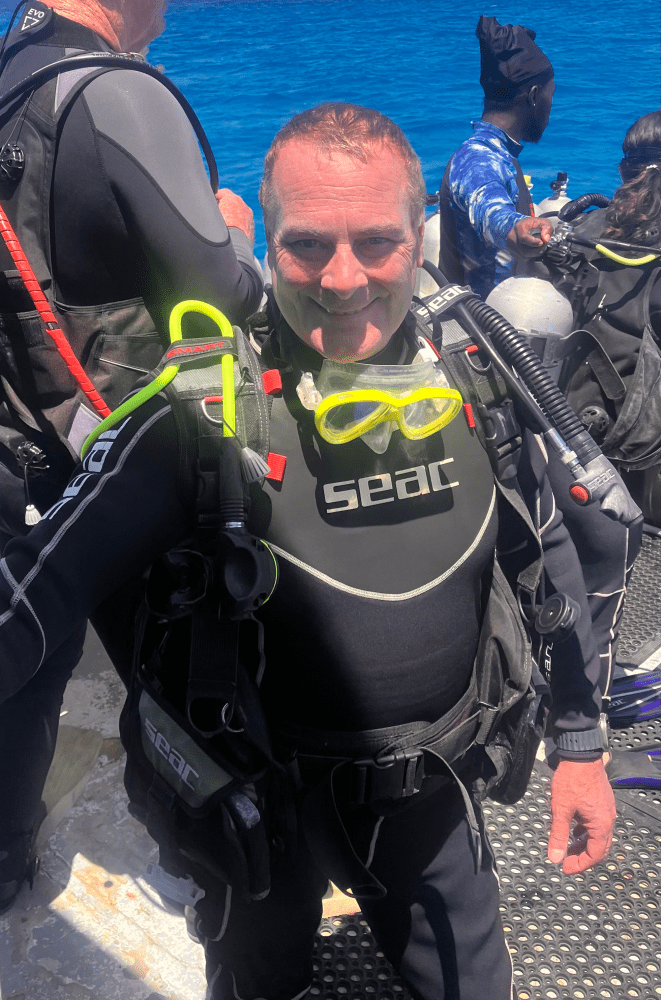
LONG BEFORE A GUEST hears a briefing, meets a divemaster, or enters the water, they are already forming opinions about safety, professionalism, and competence. Those opinions are shaped quietly, often subconsciously, by what they see when they arrive at the dock. Boat preparation, in this context, is not simply a housekeeping task. It is the first visible sign of operational control.
This is why staff training and business discipline matter. A clean, organized, fully prepared boat does not happen by accident. It happens because the operation has established clear expectations, trained the team to meet them, and created a culture where readiness is treated as part of the guest experience.
Boat preparation should be viewed as a behavioral standard, not just a checklist item. Cleanliness, organization, crew presence, safety equipment, guest supplies, and visible readiness all influence guest perception. Guests may not articulate it, but they instinctively equate order with safety. A well-prepared boat communicates, “This operation knows what it is doing.”
That message begins before the first word is spoken.
Captains and crew should be on board before the first guest arrives, and they should be visibly engaged in preparation. That visibility matters. When guests arrive and see the crew checking tanks, organizing gear, preparing safety equipment, and getting the boat ready, anxiety drops. Trust begins to form naturally.

Disorganization has the opposite effect. Cluttered decks, missing equipment, scattered gear, or crew scrambling at the last minute introduce uncertainty. Guests may not complain, but they notice. Uncertainty creates tension, and tension carries into the water.
For managers and owners, the key question is not whether the boat eventually leaves the dock ready. The key question is whether the guest sees an operation that is ready before they arrive. That difference matters.
Preparation is also about the crew’s mindset. When staff begin the day rushed or reactive, that energy spreads. When preparation is methodical and unhurried, crews settle into a professional rhythm. That rhythm carries through boarding, briefings, gear setup, water entries, and the dive itself.
This is where training becomes essential. Staff should know what “ready” looks like. They should understand the order of preparation, who is responsible for each task, how early they are expected to be on board, what must be checked, and how the boat should look before guests step aboard. Without that training, readiness becomes inconsistent. With it, preparation becomes part of the operation’s culture.
Paid Advertisement
Safety equipment plays a central role, not only for functional reasons, but also because it signals seriousness. Oxygen kits, first aid supplies, radios, emergency equipment, life jackets, and recall procedures must be present, operational, and known to the crew. When guests see safety equipment being checked, they feel reassured. Those checks communicate care, competence, and professionalism.
Uniform standards work the same way. Professional appearance is not cosmetic; it is communicative. Uniformed crew with name tags reinforces accountability and approachability. Guests know who to ask for help. Crew members know they are representing the business, not just working a shift.
Preparation also includes anticipating guest needs. Water, towels, defog, spare gear, dry storage, camera rinse buckets, clear walkways, and organized rental equipment are not just conveniences. They are friction reducers. Each small issue resolved before it becomes a problem preserves the flow of the day.
From a management perspective, disciplined preparation reduces downstream problems dramatically. When boats leave the dock prepared, fewer decisions must be made under pressure. Fewer mid-trip adjustments are required. Staff spend less time reacting to avoidable problems and more time engaging guests.
This has a direct business impact. Better preparation leads to smoother trips, fewer complaints, stronger reviews, higher staff confidence, and a more polished guest experience. Crew stress drops because problems are addressed early or avoided entirely. Guests are more likely to tip, rebook, and recommend the operation because the day feels intentional rather than improvised.
Preparation also protects the business legally. A boat that is clean, equipped, staffed, and documented demonstrates due diligence. In the event of an incident, consistent preparation procedures, staff training records, safety checks, and documented standards can matter. Professionalism is not only what guests see. It is also what the business can prove.
Boat preparation, then, is not about perfection. It is about control. It is the quiet discipline that allows everything else to function.
For dive operations, the takeaway is simple: train staff to understand that the guest experience begins before boarding. A prepared boat builds trust. A rushed boat creates doubt. The difference is not just operational; it is psychological, financial, and professional.
Next month, we’ll examine the moment when preparation becomes interaction: the boarding process, and why those first few minutes with guests often determine how the entire day unfolds.
Author’s note: Jeff McNutt of Dive BVI wrote a three-part series on creating operating standards, employee manuals and emergency action plans. All three go hand-in-hand with this series (see February, March, April 2026 issues).
Paid Advertisement

Click here to read this article on our Flippingbook platform.
More from This Issue:
May 2026 ADVERTISING PARTNERS














RECENT ISSUES




MAGAZINE TOPICS