“The most memorable part of Rangiroa was not only the marine life, but the feeling of ‘being there.’”

by Tara Artner, Instructor and Underwater Photographer, Jordan
Click here to read this article on our Flippingbook platform.
HOW ONE FRENCH POLYNESIAN atoll delivers sharks, dolphins, responsible operators, and a compelling next step for advanced dive travelers.
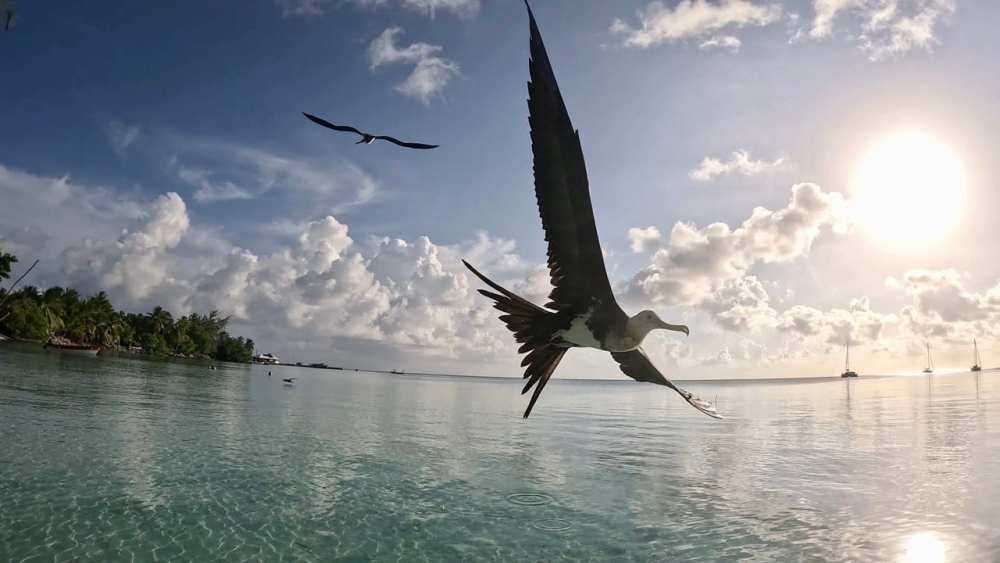
It is the warm welcome phrase you hear first in French Polynesia, offered with a smile, unhurried and genuine. It is a sincere wish for well-being, and it seems to capture the spirit of Rangiroa almost immediately. Life slows to the rhythm of the island, sunrise bike rides for fresh baguettes, afternoons spent exploring by bicycle, shark spotting from shore, and evenings watching the sun fade over an endless lagoon.
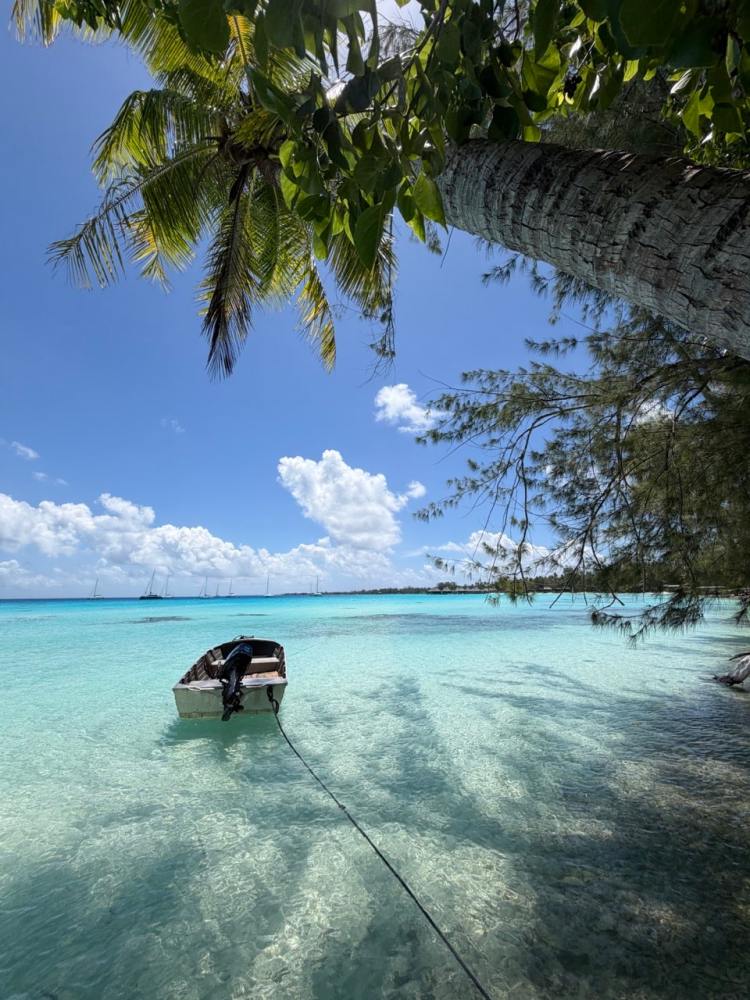
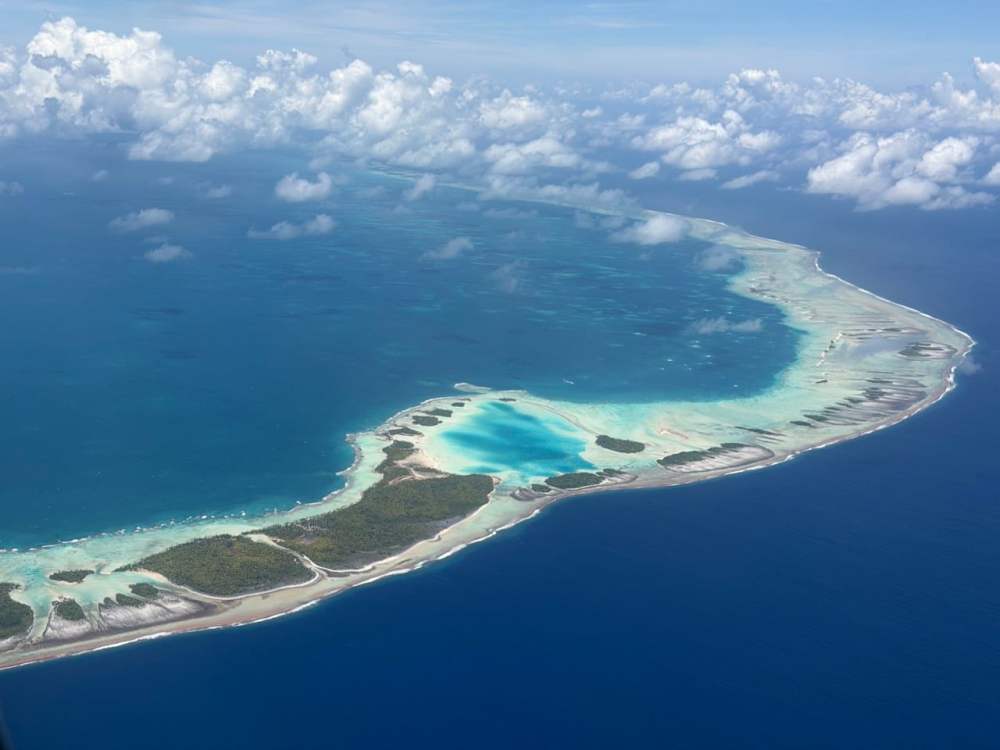
From above, Rangiroa is breathtaking, a vast necklace of motus encircling a brilliant lagoon that stretches roughly 42 miles across. It is one of the largest coral atolls on Earth, and for dive travelers, it offers something many advanced divers are actively seeking: Warm water, pelagic encounters, strong destination identity, and a sense of remote adventure without overly complicated logistics.
For dive shops, group travel planners, and wholesalers, Rangiroa is more than a beautiful destination. It is a product with a clear story.
First Impressions and Operator Experience
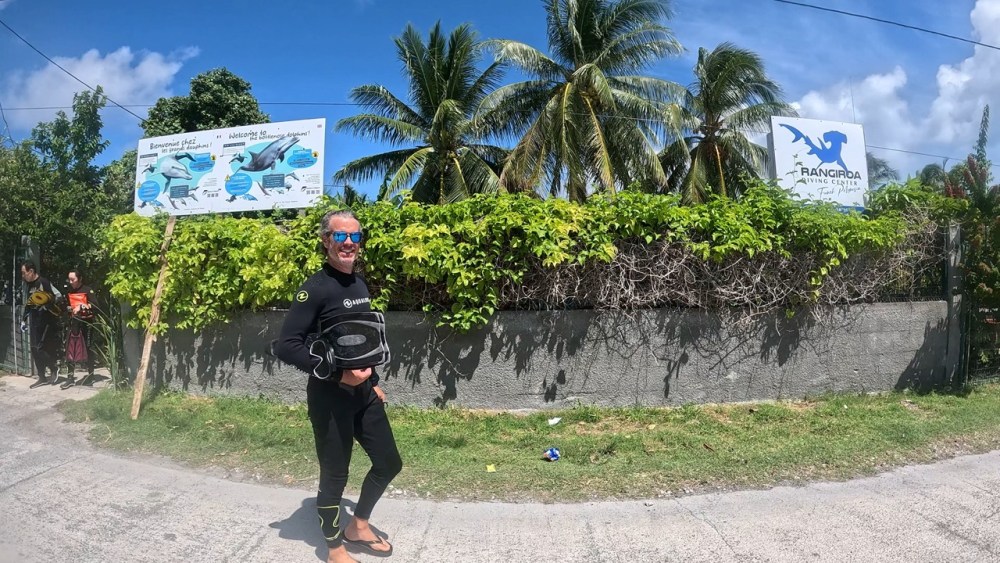
We booked with Rangiroa Diving Center, and from the first email, the communication felt professional, personal, and confidence building. We chose this center specifically because of its intentional approach to reducing impact, particularly around encounters with marine mammals such as dolphins.
The team was warm, knowledgeable, and clearly familiar with the conditions that make Tiputa Pass both famous and demanding. The shop is located on the main street, just steps from Ohutu Pier. After gearing up at the center, we boarded their boat and, within minutes, had our first look at the famous pass.
At first glance, Tiputa Pass looked chaotic. Swell collided with opposing currents, and the surface moved with visible energy. But after a thorough, confidence-inspiring briefing, that energy shifted from intimidating to exciting. Our guide, Yannick, brought 11 years of local guiding experience and a deep respect for the pass, the current, and the wildlife. That local knowledge mattered.
For travel sellers, this is an important point. Rangiroa is not a destination to sell casually to every diver. It is best positioned for advanced divers who are comfortable with current, blue water, drift diving, and flexible dive planning based on conditions.
Geography and Environment
Located roughly 350 km, or 217 miles, northeast of Tahiti in the Tuamotu Archipelago, Rangiroa is one of the largest atolls in the world, enclosing a lagoon of approximately 1,446 km², or 558 square miles.
The journey is surprisingly straightforward. From the United States, travelers can fly to Papeete, Tahiti, including direct service from Los Angeles, followed by a domestic flight of about one hour to Rangiroa. As the aircraft descends, the view alone becomes part of the destination experience, turquoise water, narrow ribbons of land, and a near-perfect ring of reef and lagoon.
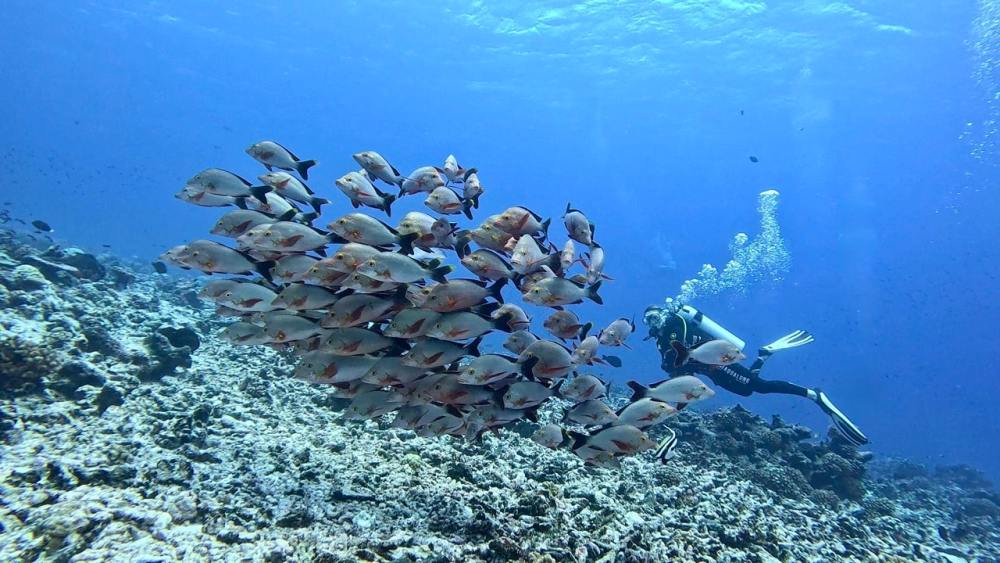
Our focus was Tiputa Pass, one of the most renowned dive sites in the Pacific. Across seven dives, the biodiversity was exceptional. Grey reef sharks cruised in formation. Whitetip reef sharks rested along the reef. Barracuda, wrasse, snapper, turtles, eagle rays, and clouds of vibrant reef fish filled the pass and surrounding reef system. Dolphins appeared unexpectedly, sometimes close enough to transform the entire dive.
We arrived during a stormy period, which influenced current timing and reduced the classic high-speed drift conditions Rangiroa is known for. Still, the diving delivered. Even in less than ideal conditions, the atoll held its magic.
The Dive Experience
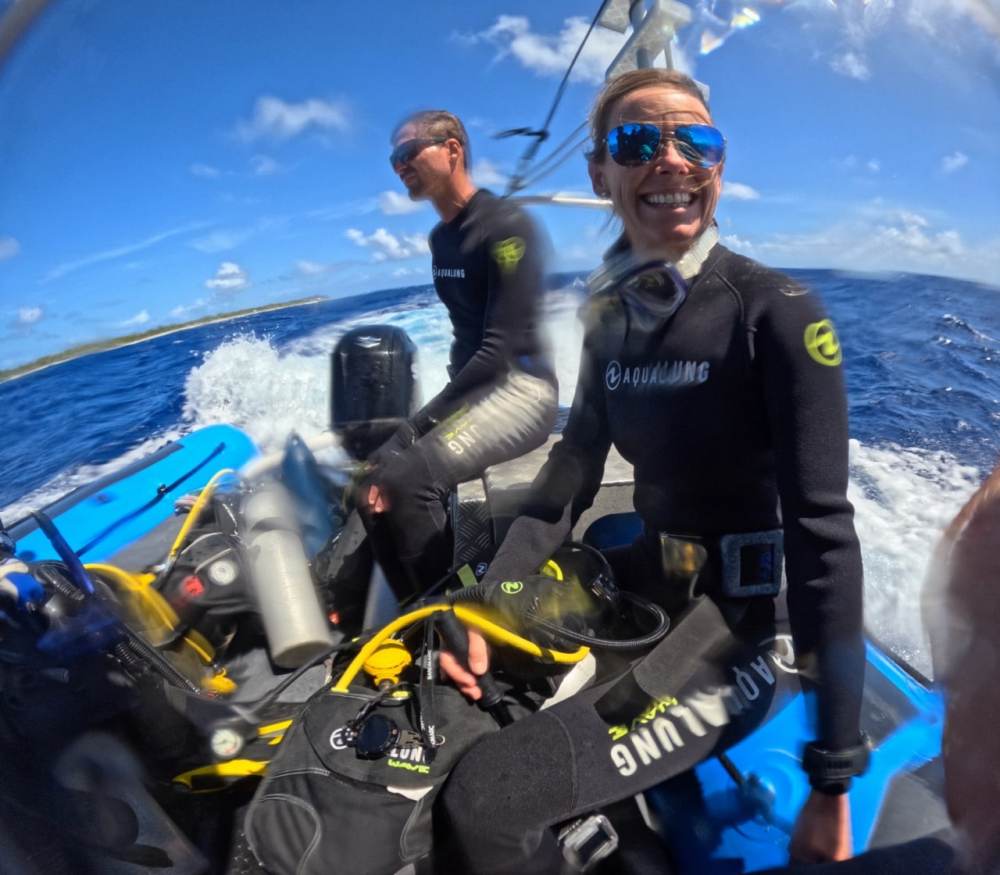
Diving Tiputa Pass is about surrendering to the current, the moment, and whatever the ocean chooses to reveal.
While we did not experience the full-throttle drift conditions many divers associate with Rangiroa, the slower currents gave us something different – time. Time to settle into the reef, observe behavior, and watch the ecosystem unfold in detail.
The pass feels like a living artery, connecting the open Pacific to the lagoon. Incoming and outgoing tides shape not only the direction of the dive, but the entire mood of the experience. Plans stay flexible. Dive profiles and timing shift day by day with weather, tides, current, and local judgment.
Our dives, encounters included:
- Playful dolphins weaving through divers
- Eagle rays moving effortlessly through the blue
- Grey reef sharks patrolling the channel edges
- A brief but unforgettable hammerhead sighting at slack tide
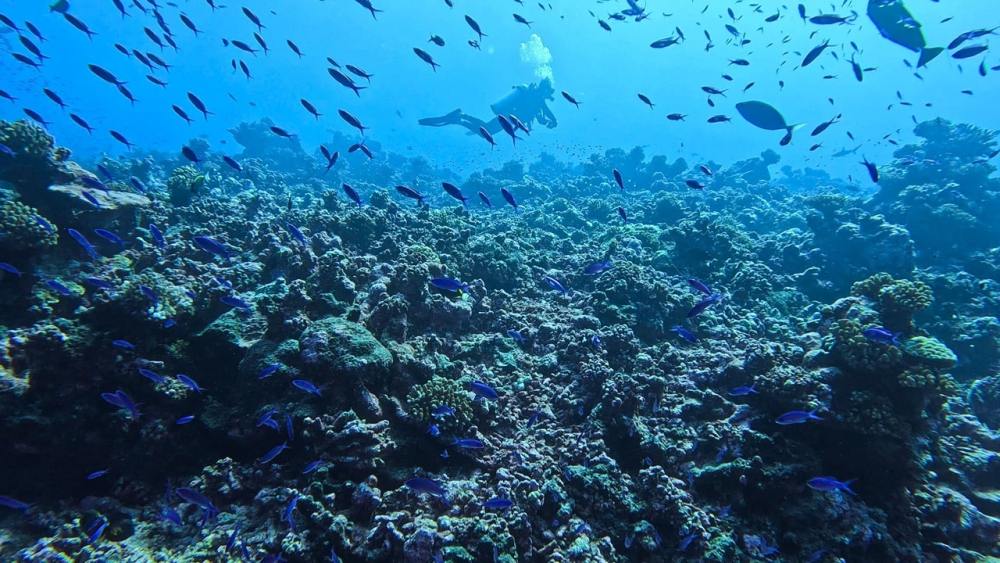
- Turtles and reef fish thriving across healthy coral systems
One standout moment came during a slack tide drop in the middle of the pass. The water stilled, suspended between incoming and outgoing flow. In that quiet window, everything felt possible. Within a single dive, we encountered reef sharks, a passing hammerhead, eagle rays, and, during our safety stop, two dolphins circling back toward us.
For advanced divers, this is the kind of experience that creates lifelong destination loyalty. For dive shops, it is the kind of story that can anchor a premium group trip.
Why This Matters for Dive Travel Sellers
For dive operators and group leaders, Rangiroa offers several advantages. The diving logistics can be efficient, with short boat rides to major sites and operators who understand the importance of timing around the pass. Two tank dives are common, and some operators keep groups relatively small compared with mass-market dive destinations.
That smaller group approach matters. It can reduce pressure on the ecosystem, improve the guest experience, and allow wildlife encounters to unfold more naturally. During our visit, we saw the difference between operators who approached wildlife carefully and others that appeared to chase or crowd marine life. For group travel planners, operator selection should be part of the sales conversation, not an afterthought.
Rangiroa also gives dive businesses a stronger conservation and responsible travel story. This is not simply a “come see sharks and dolphins” destination. It is a place where diver behavior, operator standards, and group management directly affect the quality of the experience.
That makes pre-trip education especially important. Divers should understand that how they dive matters. Good buoyancy, respectful wildlife behavior, current awareness, and patience all contribute to better encounters.
For clients who want full-service comfort, properties such as Hotel Kia Ora Resort & Spa provide beach and overwater bungalow options with on-site dining. For more independent travelers, smaller pensions, guesthouses, and vacation rentals offer a relaxed island experience. Capacity is limited, so advance planning is important.
For streamlined itineraries, wholesalers and travel planners may also find packaged options through Tahiti Tourism or specialist travel providers that combine inter-island flights, guided diving, and resort stays. Before publication or booking, operators should verify current flight schedules, package availability, capacity, and seasonal considerations.
Overall, Rangiroa offers a strong balance of accessibility and remote adventure. It is far beyond the ordinary, but not as logistically complex as destinations such as the Galápagos or Cocos Island. That makes it a compelling next step for advanced divers ready to move beyond the Caribbean and into bigger blue water experiences.
Paid Advertisement
Tip for Dive Sellers
When possible, pair Rangiroa with Fakarava. The combination creates a powerful French Polynesia shark and pass diving itinerary. Direct inter-island flights may be available depending on schedule and season, but routing should always be verified during trip planning.








Topside Activities
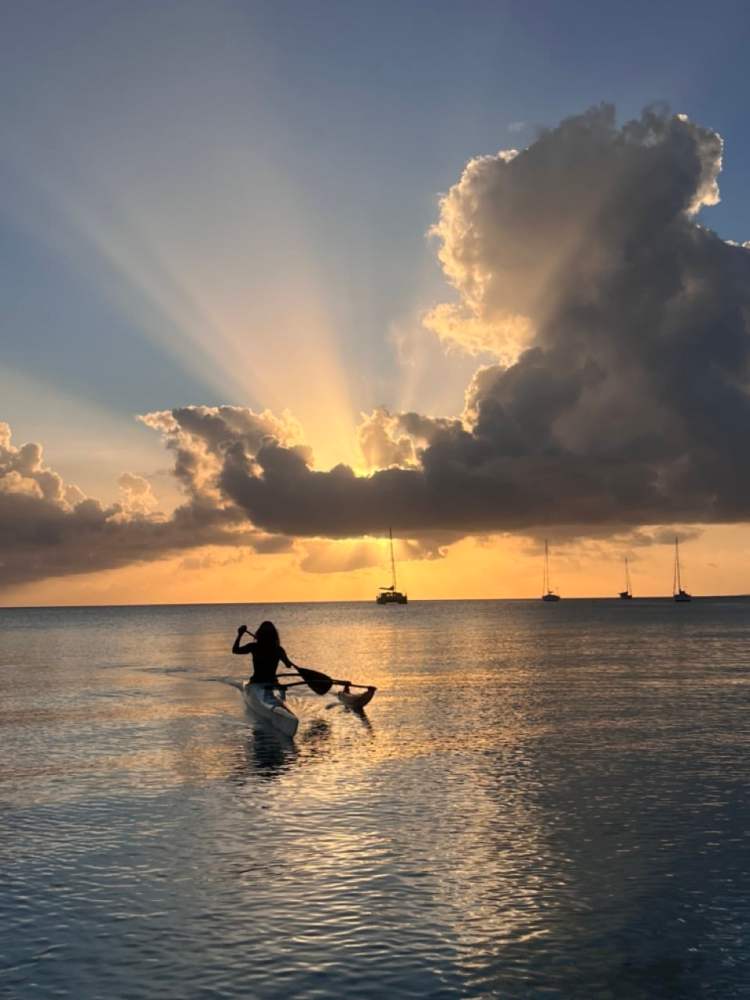
Rangiroa keeps things simple on land, which is part of its appeal. Accommodations are limited, with a mix of small hotels, pensions, and guesthouses scattered between villages. We chose a waterfront Airbnb with bicycles, a sunset view, and a two-minute ride to the dive shop. It turned out to be one of the best decisions of the trip.
Afternoons were easy. We cycled between Avatoru and Tiputa, rode through coconut groves, stopped for ice cream, and paused at Tiputa Pass to watch for dolphins surfing the current. At the house, blacktip reef sharks and nurse sharks cruised by in the clear, warm water, while outrigger kayaks offered an easy surface interval activity.
On our day off from diving, we joined a full-day trip to the Blue Lagoon, a shallow, surreal pool of turquoise water framed by white sand and palms, with a small shark nursery tucked inside. It is exactly the kind of postcard experience that helps round out a group itinerary.
Other excursions may include Reef Island, a Polynesian vineyard, or a local pearl farm. For dive shops planning group travel, these topside options matter. They provide non-diving value, improve itinerary flexibility, and give travelers more reasons to extend their stay.
Reflection and Takeaways
The most memorable part of Rangiroa was not only the marine life, but the feeling of ‘being there.’
Watching sharks materialize from the blue and disappear again, I felt both small and incredibly fortunate. What makes this destination stand out is its unpredictability. No two dives feel exactly the same. Rangiroa is real, beautiful, and rewarding, but it is not scripted. That is part of its strength.
For dive shops and travel planners, Rangiroa is an easy recommendation for advanced divers seeking warm water, pelagic action, current driven diving, and a bucket list Pacific experience without the logistical demands of some more remote expedition destinations.
It is a place I would return to without hesitation.
Practical Notes for Dive Operators and Travel Sellers:
- Diver Profile: Best suited for advanced divers comfortable in current
- Water Temperature: Approximately 29°C, or 84°F, depending on season
- Visibility: Often exceeds 30 meters, or 100 feet
- Dive Style: Pass diving, drift diving, tide dependent scheduling
- Access: International flight to Tahiti plus a domestic connection to Rangiroa
- Accommodation: Limited hotels, pensions, guesthouses, and rentals, book ahead
- Group Planning: Choose operators carefully and prioritize responsible wildlife practices
Insider Tips:
- Bring a dive computer you know well
- Prepare clients for current, blue water, and flexible dive timing
- Pack reef safe sunscreen
- Carry some CFP Francs, though cards are widely accepted in many places
- Strongly recommend dive accident insurance
- Consider pairing Rangiroa with Fakarava for a stronger shark diving itinerary
Final Thoughts
Rangiroa is a balance between access and responsibility. The goal is not simply to showcase its world class diving, but to protect what makes it extraordinary in the first place.
For dive businesses looking to expand beyond familiar Caribbean group travel and introduce seasoned clients to bucket list Pacific diving, Rangiroa delivers what advanced divers are searching for: current, pelagics, healthy reefs, and just enough unpredictability to keep them coming back.
Paid Advertisement

Click here to read this article on our Flippingbook platform.