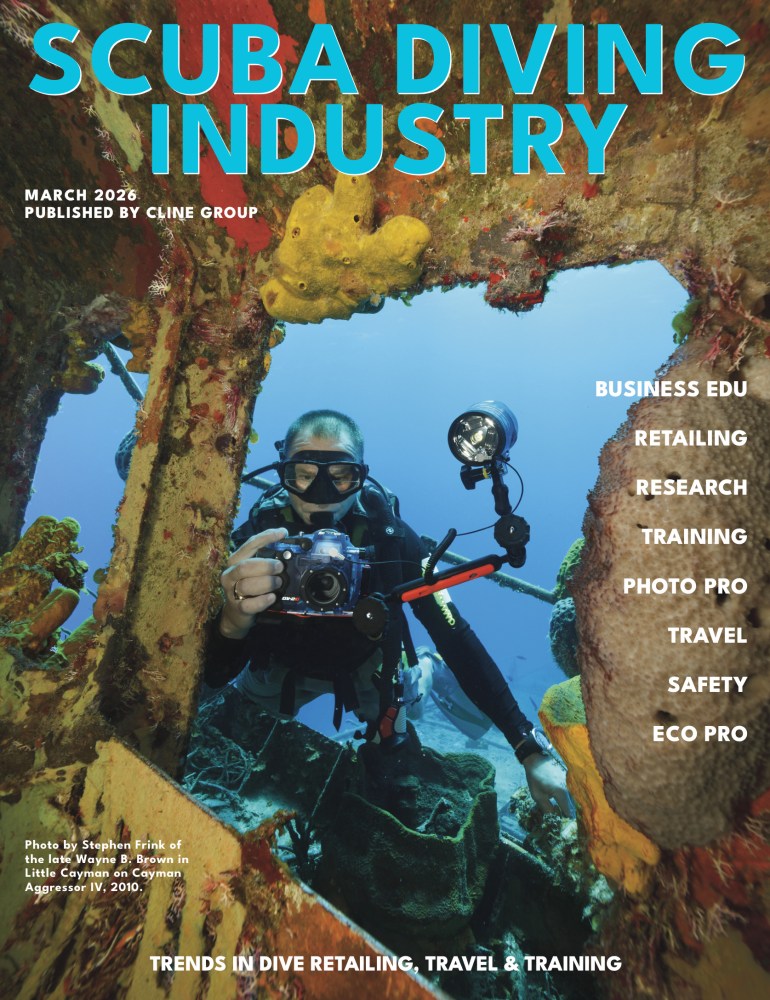
“The ocean does not care how long we have been diving.“
SPECTULATION. IT SEEMS ONE cannot look anywhere in the diving universe these last couple of weeks without hearing or watching an “expert” speculate on the Maldives accident. According to DAN Europe and the organizers of the Finnish recovery team in the Maldives, no official statement has been released regarding the equipment configuration, gas supply, or training level of the deceased. Yet theories have been rampant. Even one major international newspaper cited a “wetsuit” as a possible cause of the tragedy. That should give all of us pause.
This accident may have been preventable, but without knowing the actual facts, configuration, gas planning, environmental conditions, supervision, or certifications of the divers involved, anything beyond the confirmed record is speculation. One fact, among others, is painfully clear, the lives of several families and the business operating the Duke of York have changed forever. We consider dive professionals part of our extended magazine family, and the loss of these divers, many of whom appear to have been dive professionals in some manner, is heartbreaking. So the point of this article is not to determine blame. The question is, how do we help prevent this from happening again?
Do we need better systems? Better staff training? Better dive planning? Stronger briefings? More conservative decision making when conditions, depth, current, overhead environments, or diver experience raise concerns? I have seen claims for all of these, but without the verified facts of this accident, we quickly return to speculation.
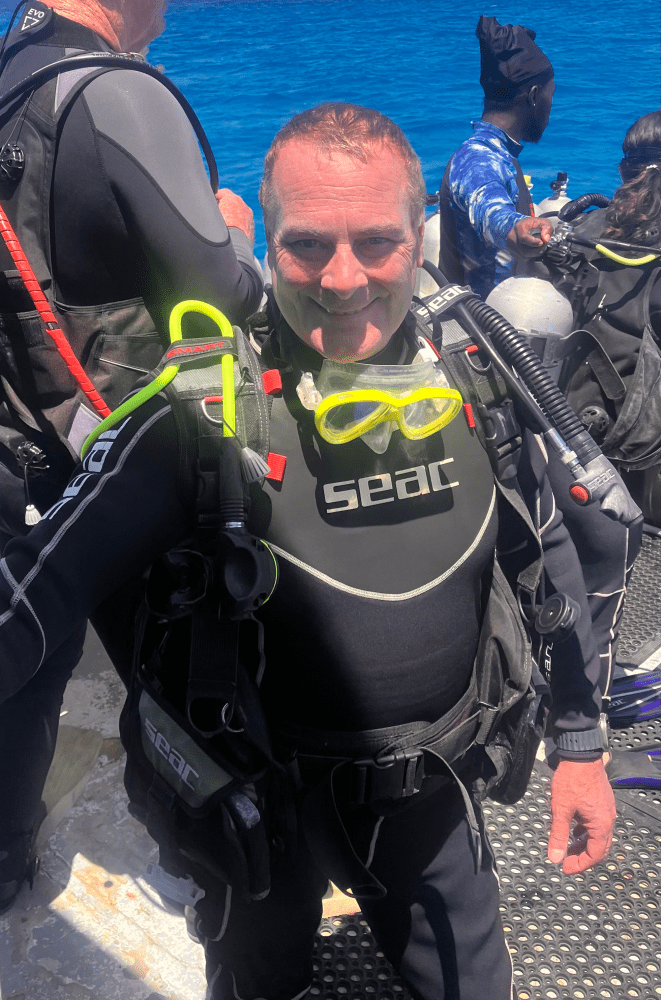
However, there is one hard lesson that does not require speculation. Even dive professionals and experienced divers can fall victim to “I’ve got this” thinking. As a Course Director, I have placed myself in diving situations where things became a little hairy because of decisions, conditions, or the simple belief that my experience would carry me through. Many of us have done the same. We tend to believe our certifications, resumes, and years in the water protect us from accidents. They do not.
Paid Advertisement
As Dan Orr points out in his article starting on page six, all of us need to be conconscious of the basics of dive safety. Dive professionals are not immune to simple errors in judgment. In fact, our experience can sometimes work against us. Familiarity can reduce caution. Confidence can become complacency resulting in skipping steps that were designed to protect us.
That is the takeaway for us all. We do not honor those lost by rushing to judgment. We honor them by reviewing our own procedures before an accident forces us to do so.
The ocean does not care how long we have been diving. It does not care what certification card we carry. It does not care how many students we have taught, wrecks we have explored, or trips we have led. It rewards preparation, humility, and discipline.
That may be the most important lesson we can take from any tragedy before the official report is released. Not blame. Not rumor. Not speculation. A renewed commitment to doing the basics exceptionally well.
Paid Advertisement

Click here to read this article on our Flippingbook platform.
More from This Issue:
May 2026 ADVERTISING PARTNERS