

How to ‘Do’ Iceland: Group Trip Sample Itineraries

THE LAND OF FIRE AND ICE. That is how people often refer to Iceland. It is a very apt moniker as Iceland is a land of contradiction. The country kisses the Arctic Circle to the north and its many mountains are capped with glaciers and deep snow pack.
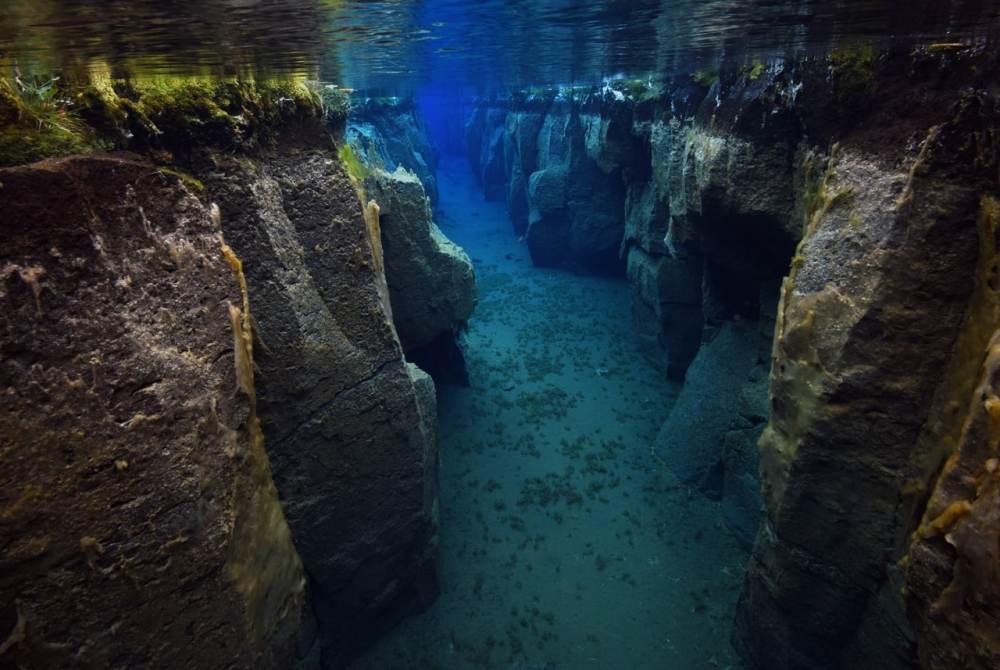
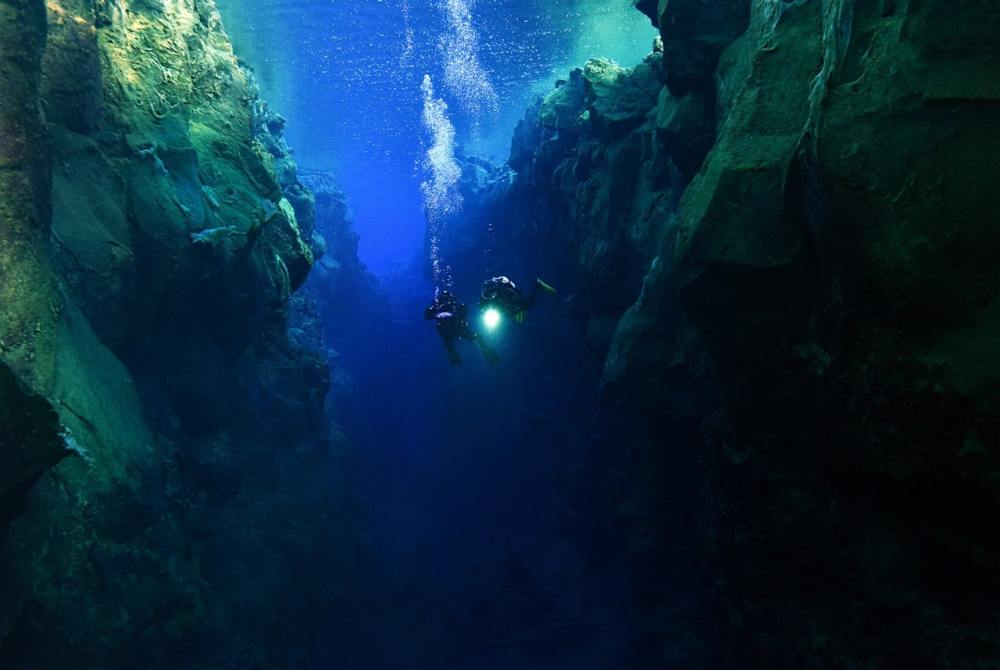
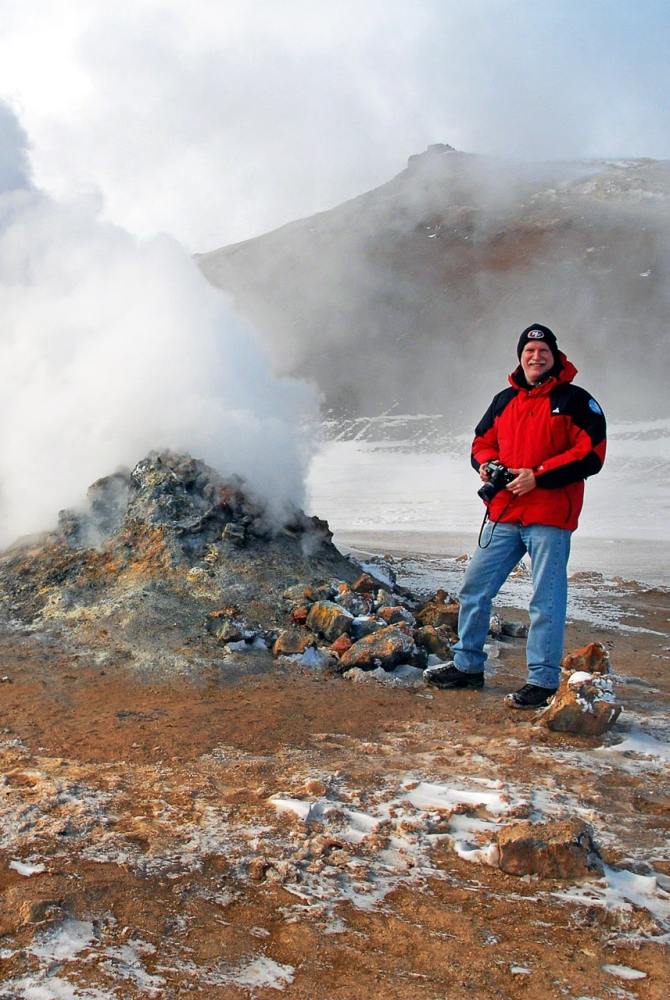
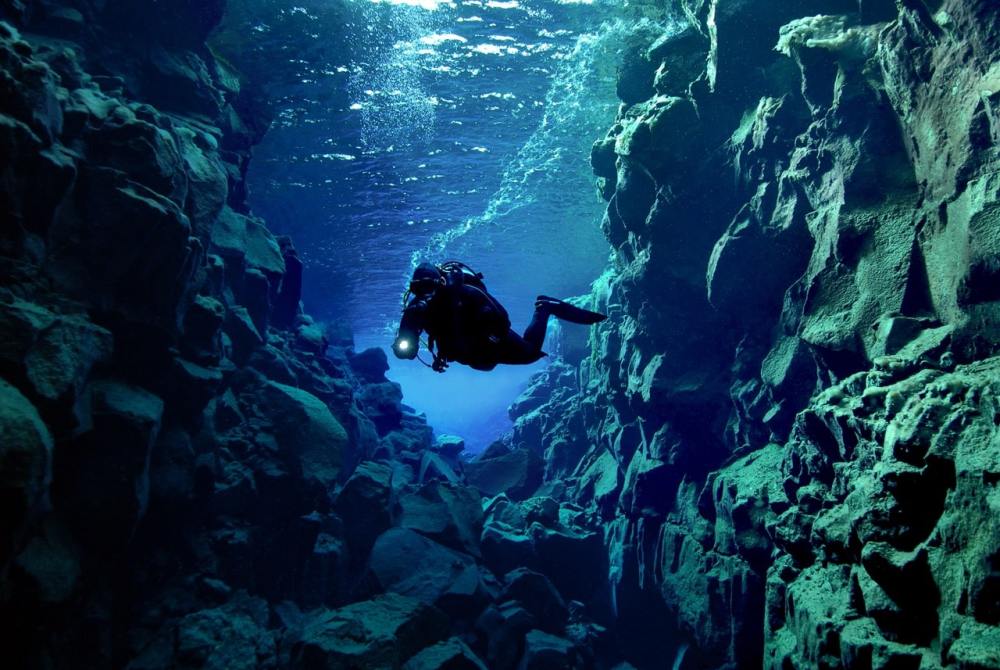
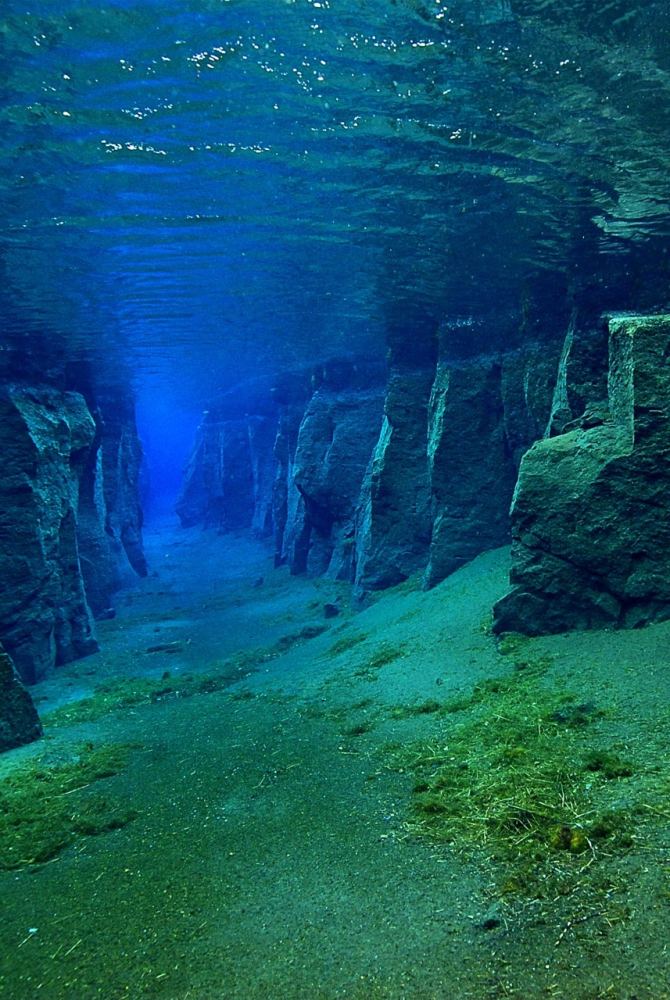
However, it is also geologically and volcanically active and the land is scarred from recent lava flows and contorted and twisted by the spreading of the earth. Indeed, the mid-Atlantic ridge goes right through the center of Iceland, where volcanoes rise and the North American and Eurasian continental plates are ripping apart. In some areas, cracks in the Earth’s crust have flooded with lava filtered glacial melt water, making for unparalleled diving opportunities in crystal clear water with almost unlimited visibility.
Unlike other dive destinations, Iceland presents a varied set of experiences and planning a group dive tour requires planning and a knowledge of the country.
Diving Overview
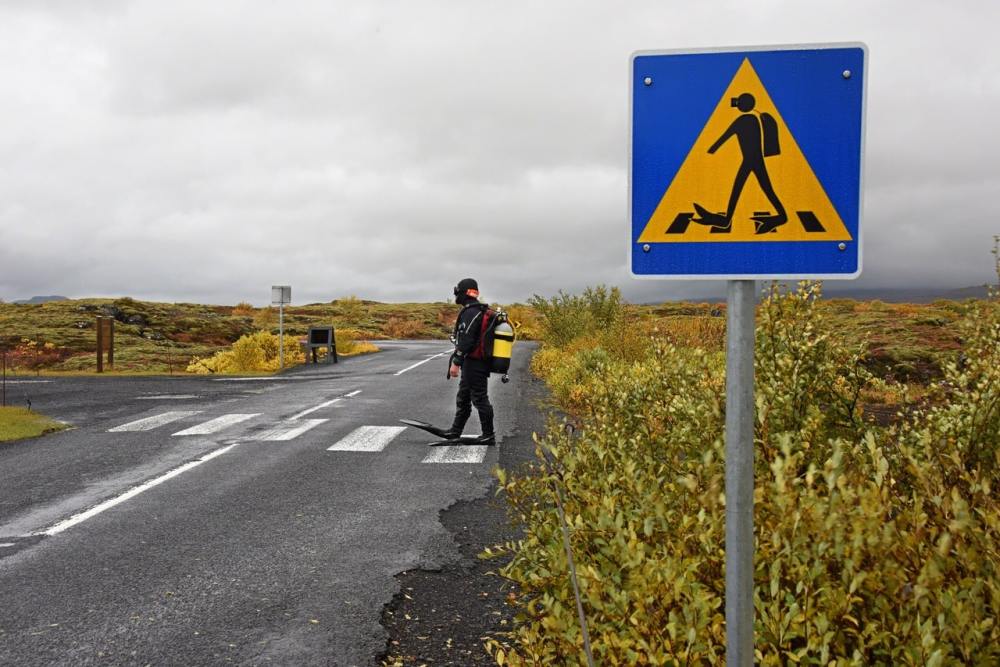
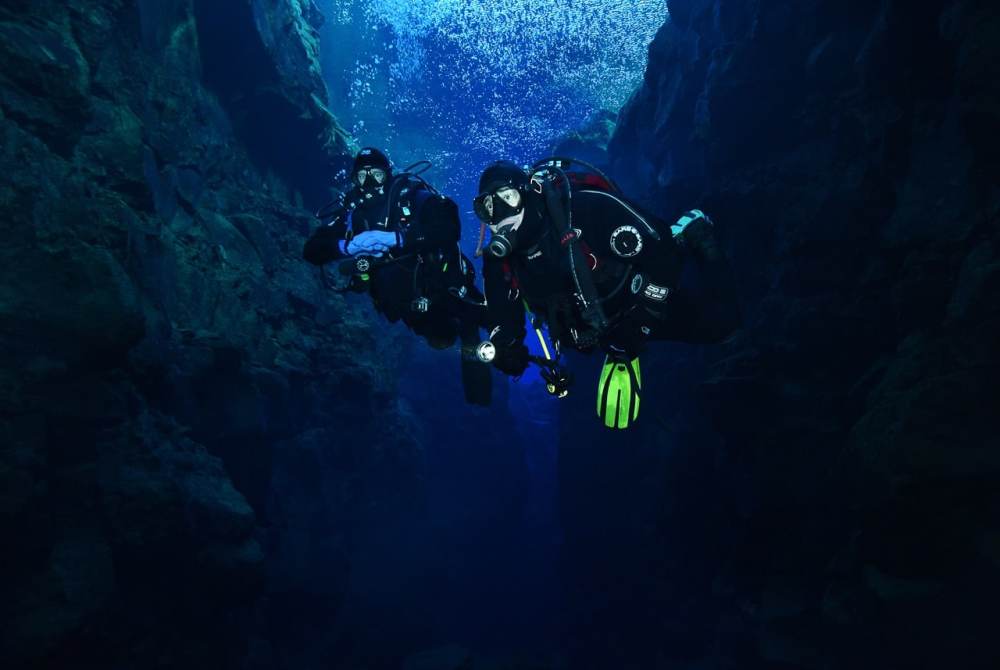
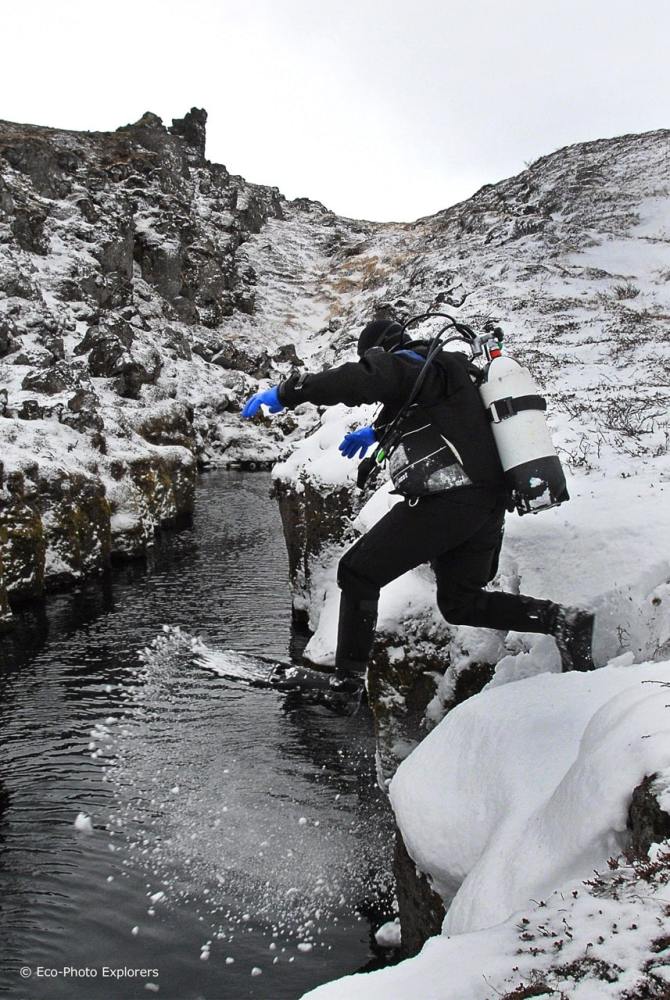
Diving in Iceland runs the gamut from ocean-based shore diving, exploration of geological wonders in the countryside, boat dives in fjords to hydrothermal vents and technical cave diving. There are no liveaboard operations or dedicated dive resorts. Rather, divers will be based on shore and will coordinate their dives with local dive shops or tour operators specializing in tours of this fascinating country. The waters are cold, especially in some of the geological dive sites where water temperatures rarely climb above 35 degrees F. Dry suit diving is the norm and your customers should have cold water diving experience.
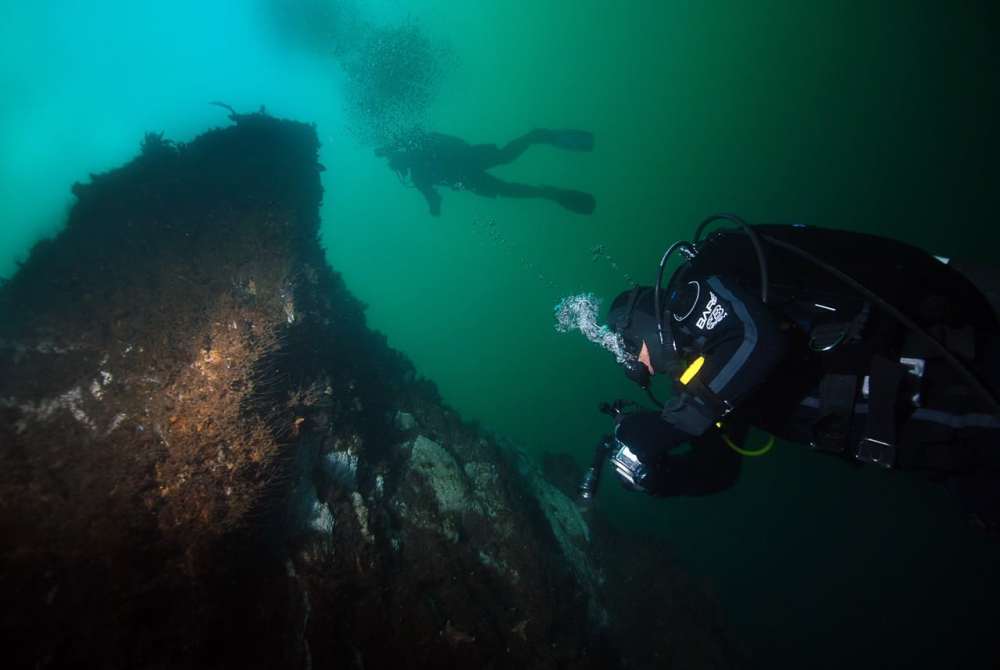
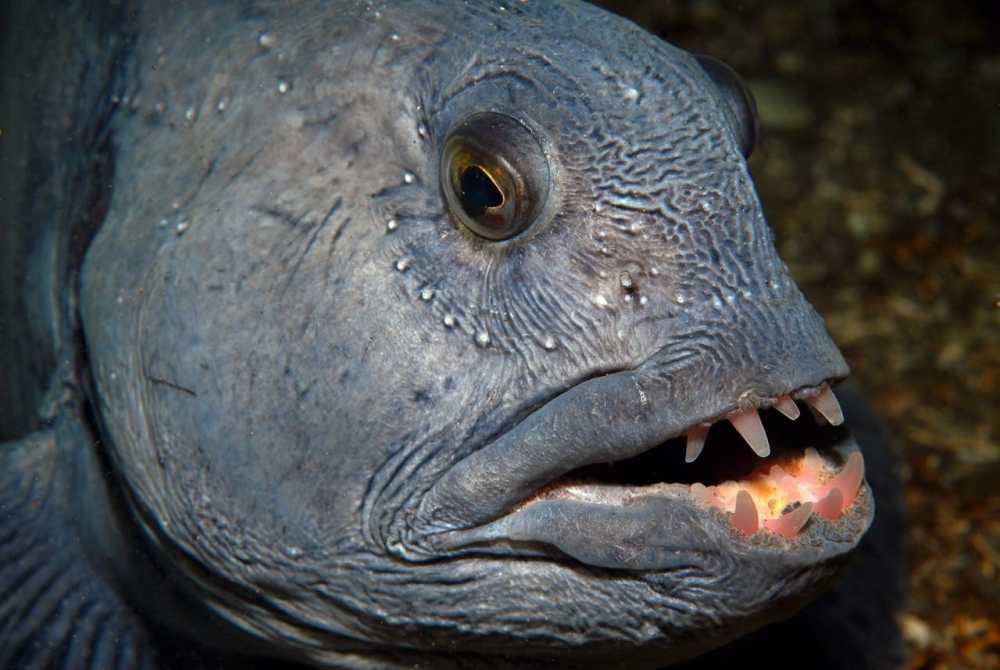
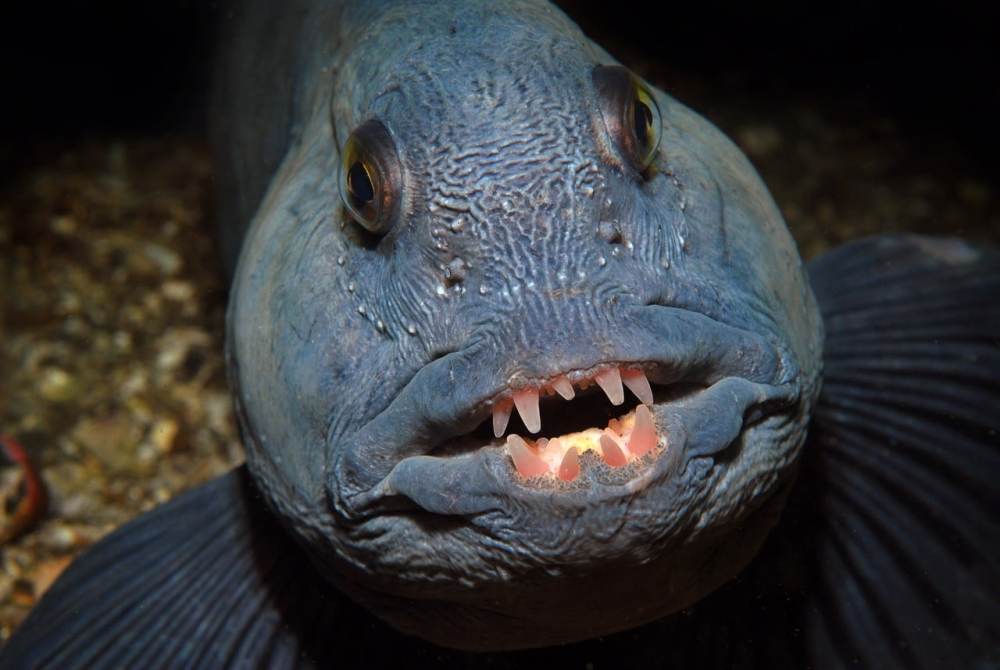
Shore dives in the ocean and boat dives in the fjords expose divers to a rocky substrate often covered with kelp. Marine species found here are endemic to the northern cold waters like the Wolf Fish, Lumpsucker, Atlantic Cod, Metridium Anemones and cold-water nudibranchs.
It is best to check with the dive shop you will be working with regarding requirements and restrictions. Some dive operators require either formal Dry Suit Certification or a provable 10 dives in dry suit and cold water. At Silfra, for example, anyone over 60 years old, or individuals with pre-existing conditions (e.g., heart disease, asthma, high blood pressure), must provide a signed doctor’s clearance form.
Paid Advertisement
Top 4 Dive Sites in Iceland
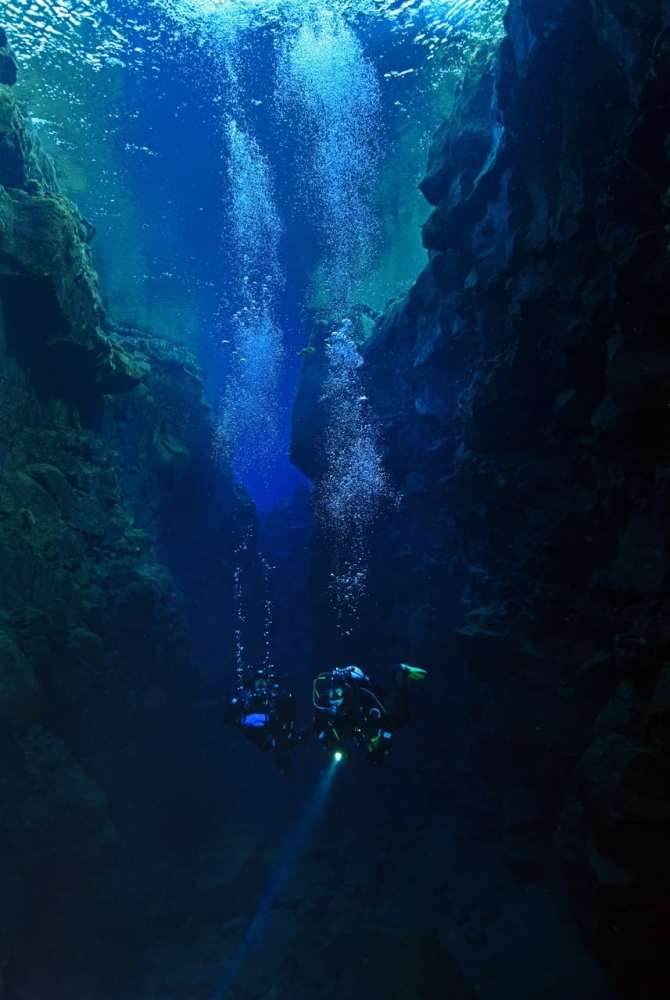
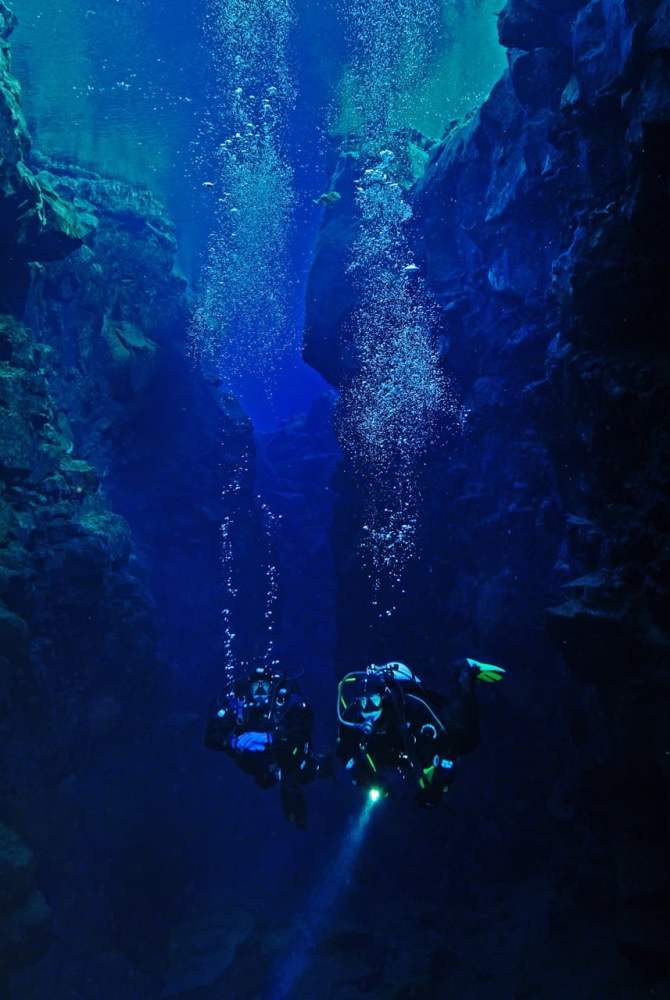
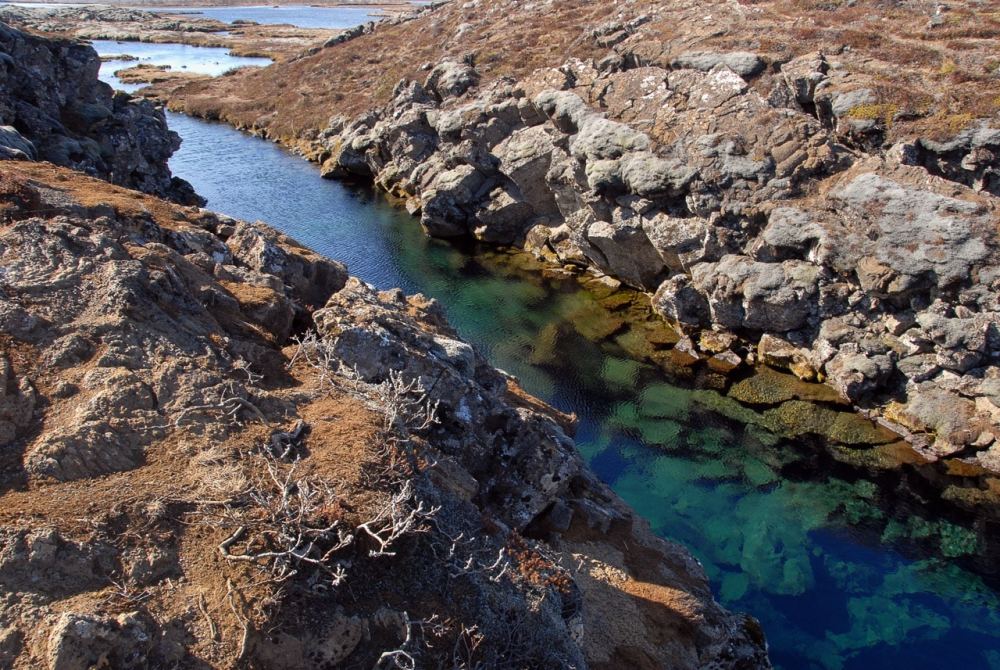
- Silfra: Two hours outside of Reykjavik is Thingvallavatn Lake, home to a ruptured landscape torn apart by geological forces. In and around the lake are many fissures and tectonic cracks, many of them filled with glacial melt water from Iceland’s second largest glacier, Langjokull. This water, filtered for 50 years through 30 miles of lava rock, emerges here as clear and clean as possible. It is here that divers can visit Silfra, one of these geological cracks and one of the most iconic dive sites in all of Iceland.
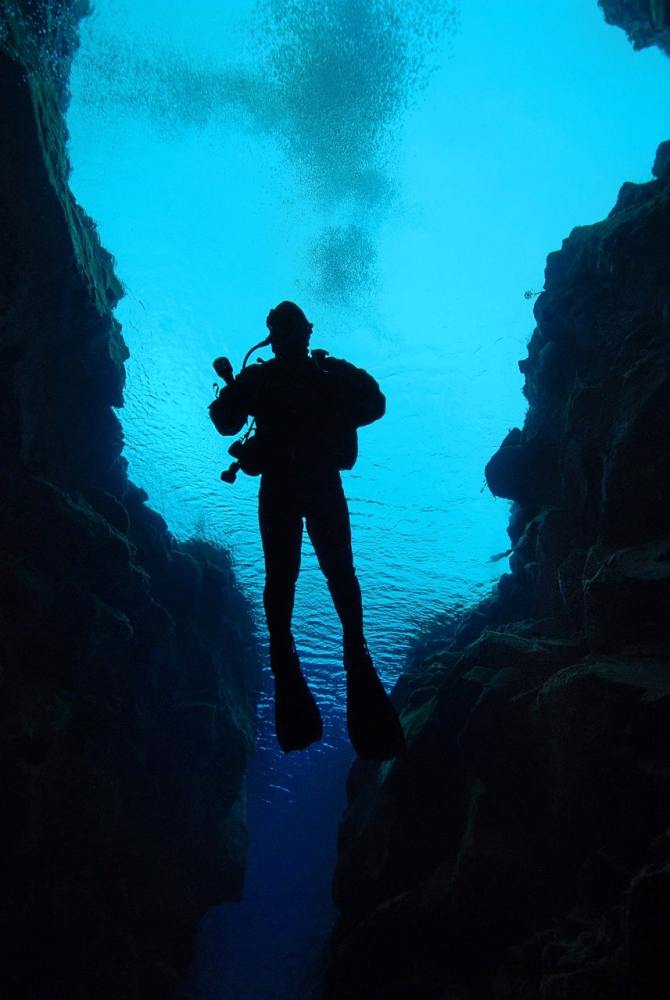
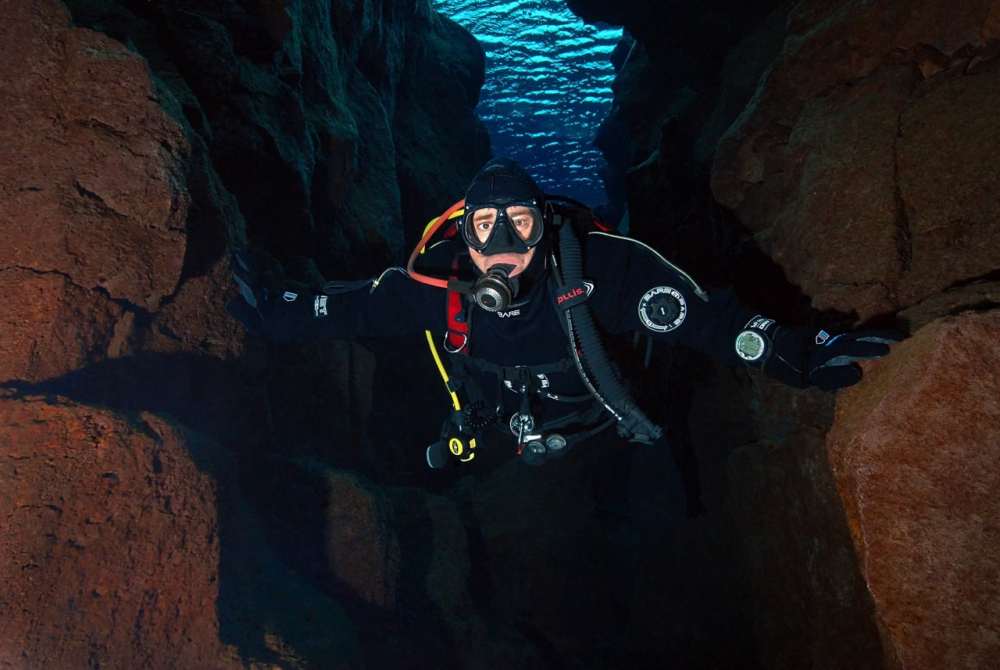
At Silfra, divers descend a set of stairs installed for safety and access, and then enter a labyrinth of rock walls, boulder piles, cavities and crevices all filled with some of the world’s purest water. In fact, divers are encouraged to taste the water along the way! Unique to Silfra, divers can actually reach out and simultaneously touch both the North American and Eurasian tectonic plates. Diving here is akin to being transported to another world…with visibility exceeding 300 feet, temperatures hovering around 34-degrees Fahrenheit and a gentle flowing current, the dives are magical and transformative. Silfra is a “must dive” for any dive tour. - Strytan Hydrothermal Vent: In 1997, a hydrothermal vent in the dark waters off the shores of Hjalteyri, a small fishing village located near the town of Akureyri was discovered. Strýtan, as this location has been named, is a towering chimney-like geological formation rising to over 200ft (230m) from the ocean floor to nearly 50ft (15m) below the surface.
Hydrothermal vents have been discovered in many places throughout the world, usually along continental rift zones, but they are generally located many thousands of feet deep. Currently, Strytan is the shallowest known vent in the world. A “White Smoker”, Strytan is a set of chimneys that emit very hot water (167˚F/75˚C) at an estimated rate of 26-gallons/100 Litres per second. Divers can explore these towering formations and will marvel at the marine life that abounds in these waters. Macro enthusiasts will spot colorful nudibranchs, crustaceans, sponges, starfish and anemones. Swirling around the chimneys are schools of cod and Pollack, and sharp-eyed divers will also encounter the curious Lumpsucker fish and the ferocious looking Wolf fish. Despite the fascinating array of marine life, however, our attention was repeatedly transfixed by the flowing hot water, which creates its own thermocline in the cold ocean water. For a unique photo opportunity, divers can carefully remove their gloves and warm their hands in the hot water spewing from the vents…just be advised to not get too close! - Gardur: This is a shore dive located about an hour’s drive from Reykjavik and close to the airport at Keflavik. A shore dive with a gently sloping bottom, divers can explore a kelp garden thriving with marine life. Flounder, wolf fish, lumpsuckers, nudibranchs and rays are some of the denizens of this dive site.
- Davíðsgjá: The name translates to “David’s Fissure” and is similar to Silfra but less often visited. It is usually slightly warmer than Silfra. Divers walk straight into the water and after a shallow swim they enter the long, deep and narrow fissure. This site often has incredible underwater visibility, and is sometimes called Silfra’s wilder and darker sibling.
Paid Advertisement
Surface Interval
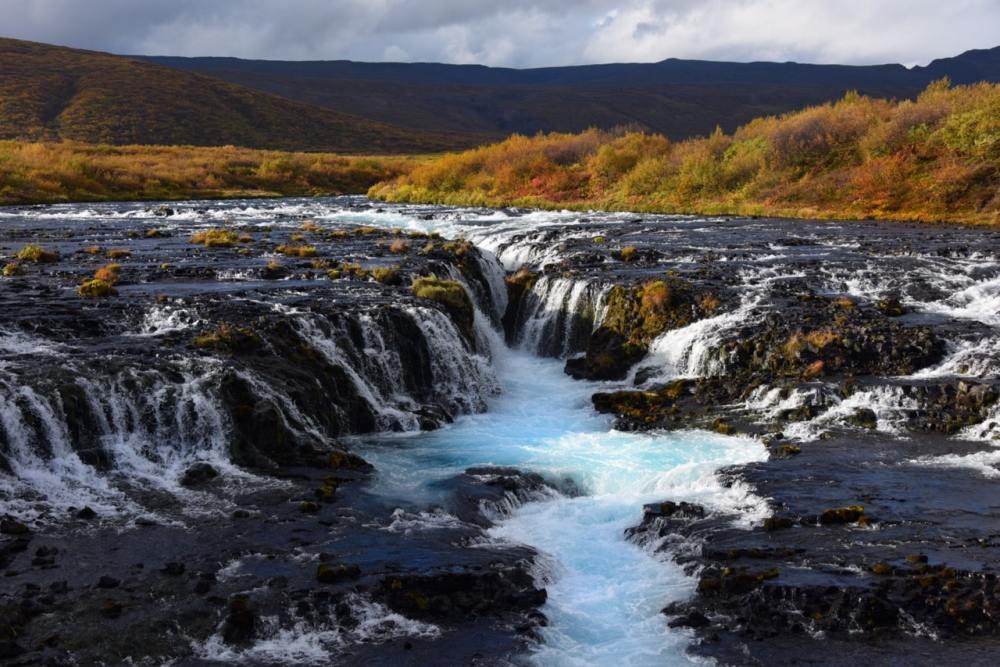
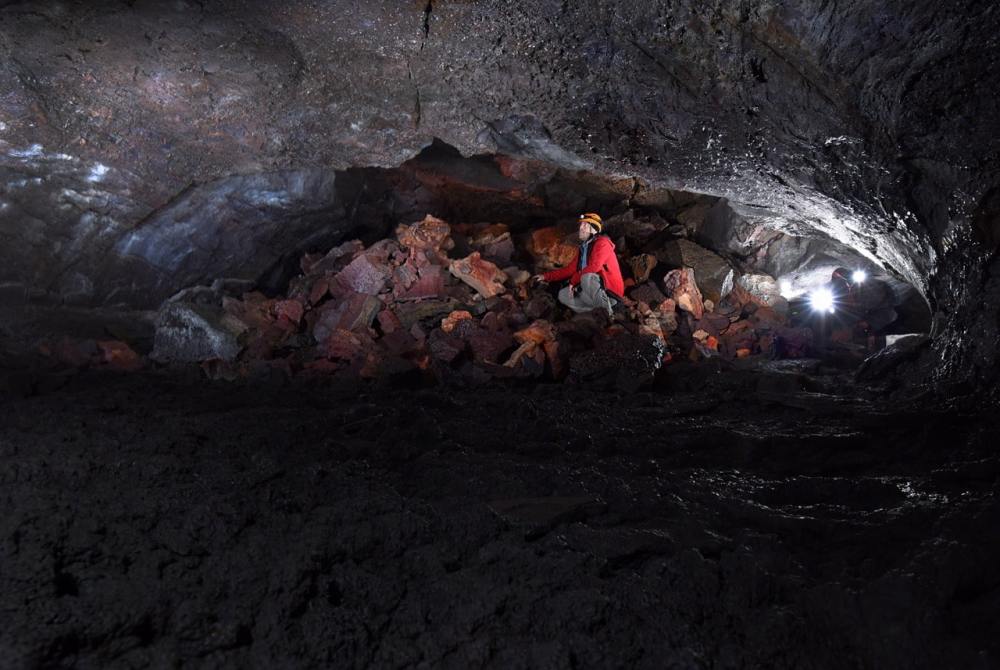
Visiting Iceland for SCUBA Diving can be life changing. But there is much more to Iceland than what lies beneath eh surface of its waters. All tours of this country should include ample time to explore the many wondrous sites spread across the expanse of the island. Visitors can trek to dramatic waterfalls, explore lava tubes, walk on black sand beaches, relax in hydrothermal spas, ride snowmobiles to the glaciers, penetrate ice caves, and so much more. During the autumn and winter months, there is a good chance for seeing the northern lights and there are tours designed for that as well. It is best to work with the dive shop you are coordinating your trip with to include several of these iconic sites. Many visitors arrange to take a 1-day “Golden Circle” tour which offers travelers the opportunity see some of the iconic sites in Iceland.
Paid Advertisement
Travel and Accommodations
International flights arrive into Keflavik Airport. Direct flights on several carriers are available from various cities in the United States.
Group tours to Iceland need to consider accommodations on land. In Reykjavik, there are a number of hotels to choose from. In the countryside, there are guest houses and cottages to choose from.
Work with the dive shop to coordinate ground transportation to and from the airport and throughout the tour. In addition, equipment must be arranged (e.g., tanks, weights, dive gear, etc.). It is recommended that, other than tanks and weights, divers bring their own gear wherever possible.
The best time of year for diving are the summer months between May and September, although it is a year-round destination.
Sample 10-day Itinerary
Day 1: Arrive into Iceland, travel to hotels, Dive briefings. Depending on the arrival time, a dive at Gardur may be arranged on the way from the airport.
Day 2: Silfra Dive(s).
Day 3: Gardur Dive
Day 4: Davíðsgjá Dive
Day 5: Begin drive to Akureyri. Along the way, stop to see waterfalls, hydrothermal vents, etc. This drive can incorporate elements of “The Golden Circle” tour while making your way to the northern fjords.
Day 6: Strytan Dive
Day 7: Strytan Dive
Day 8: Drive back to Reykjavik
Day 9: Open day for glacier tours, lava tube tours, Blue Lagoon Spa, Water fall tours, etc.
Day 10: Return home
Paid Advertisement
Scuba Diving Operators
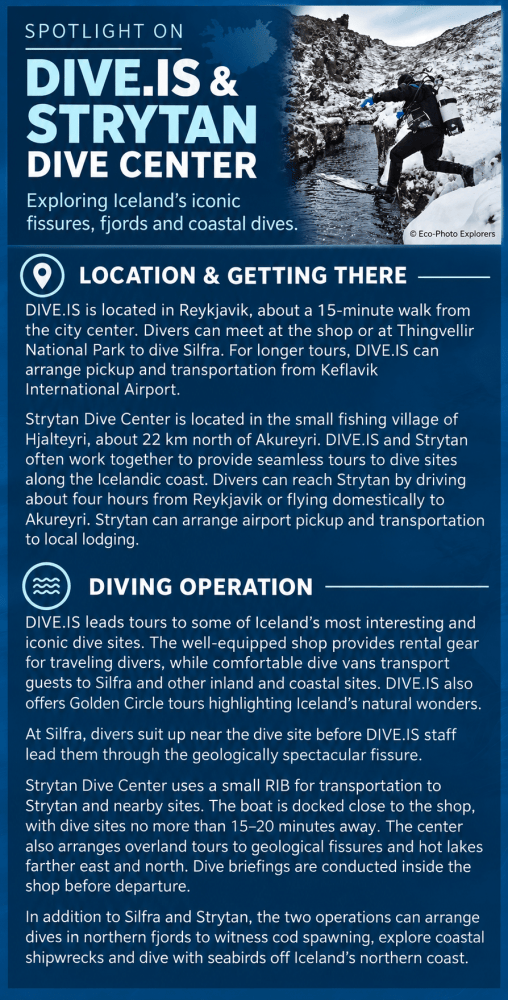
DIVE.IS (http://www.dive.is) is a Five Star PADI Dive Center, located in Reykjavik. DIVE.IS offers a variety of multi-day tours and single day dive opportunities, along with training and equipment rental.
Strytan Dive Center (www.strytan.is) is located in Hjalteyri, nearby to Akureyri, and is owned and operated by Erlandur Bogason. The Skjaldarvik Guesthouse (www.skjaldarvik.is) is a nice place to stay when diving Strytan. The Guesthouse offers excellent home-style cooking with comfortable rooms.
Reykjavik has a recompression chamber.
Summary
Iceland is a great option for dive shops looking to offer a cold-water alternative to the common warm water destinations often visited by divers. A combination of unique dive sites, stunning scenery and a plethora of outdoor adventures makes this an appealing destination. It is best to keep the group small because of the over-land logistics but for those who organize and participate in an Iceland dive trip, the experiences are unmatched!

Click here to read this article on our Flippingbook platform.
More from This Issue:
THIS MONTH’S ADVERTISING PARTNERS










RECENT ISSUES


MAGAZINE TOPICS