Extraordinary dive experiences are built in small moments. Transit time is one of those moments.
FOR MANY DIVE OPERATIONS, the ride to the dive site is treated as dead time. Engines are running, guests are settling in, and staff often shift into a holding pattern until arrival. That is a missed opportunity. Transit time is not downtime. It is one of the most valuable windows of the entire dive day.
This phase of the trip is where uncertainty either dissipates or compounds.
Guests have just boarded, stored their gear, and listened to the initial briefing. They are processing information, managing excitement or anxiety, and quietly deciding whether they feel comfortable. What happens during transit strongly influences what happens once they enter the water.
That is why staff should be trained to use transit time intentionally. Captains and crew need clear expectations for guest interaction during this part of the trip. Not aggressive. Not scripted in a way that feels artificial. But purposeful, consistent, and guest-focused.
A few casual conversations can reveal far more than silent observation ever will.
Who is seasick? Who has not dived in a while? Who seems overly confident? Who is quietly nervous? Who is unfamiliar with rented gear? Who is asking questions that suggest they may need extra attention? These details matter. They allow staff to anticipate needs and adjust support before those needs turn into problems.
This is where prescribed guest interactions become valuable. Staff should be trained to check in with guests, ask simple questions, observe behavior, and look for signs of uncertainty. The goal is not to interrogate the guest. The goal is to create enough comfortable conversation that guests feel seen, heard, and supported.
Leadership visibility also matters during transit. Captains who remain engaged by answering questions, explaining site conditions, or describing what to expect at the dive site build confidence through approachability. Guests gain comfort not because they are told everything is fine, but because they are informed by people who clearly know what they are doing.

Training staff to interact during transit improves operational flow. Issues are addressed earlier. Gear questions surface before the boat reaches the mooring. Nervous divers identify themselves through conversation. Guests who need assistance are easier to support because the crew has already established a relationship.
This is also where gear preparation should be completed calmly and deliberately. Offering assistance, double-checking setups, answering questions, and noticing confusion during transit reduces pressure once the boat reaches the site. Rushed preparation at the mooring increases stress, mistakes, and avoidable delays.
Importantly, effective engagement does not require constant chatter. Good guest interaction is situational. On longer rides, conversations may ebb and flow. On shorter transits, even brief check-ins matter. The goal is presence, not performance.
For staff, this approach reduces workload later. Problems identified during transit are easier to solve than problems discovered underwater. Guests who feel comfortable are more likely to ask for help early. Staff often intervene less because fewer interventions are needed.
Paid Advertisement
From a business perspective, transit engagement directly influences perceived value. Guests do not only remember the dive site. They remember how the day felt. A ride filled with helpful information, personal attention, and light engagement feels shorter, calmer, and more professional than one spent in silence.
This is also where tip revenue can increase naturally. Guests are more generous when they feel personally acknowledged. They tip the experience, not just the dive. A crew member who helps adjust gear, answers a nervous question, remembers a guest’s name, or offers reassurance before entry has already created value before anyone descends.
Transit time also provides staff a chance to shift from logistics to execution. When used well, it smooths the transition from boarding to diving. It turns the boat ride into part of the guest experience rather than simply transportation to the site.
Extraordinary dive experiences are built in small moments. Transit time is one of those moments. It is easy to ignore, but powerful when staff are trained to use it intentionally.
Next month, we’ll move underwater to examine how strong operations maintain control and safety without making guests feel constrained, monitored, or herded.
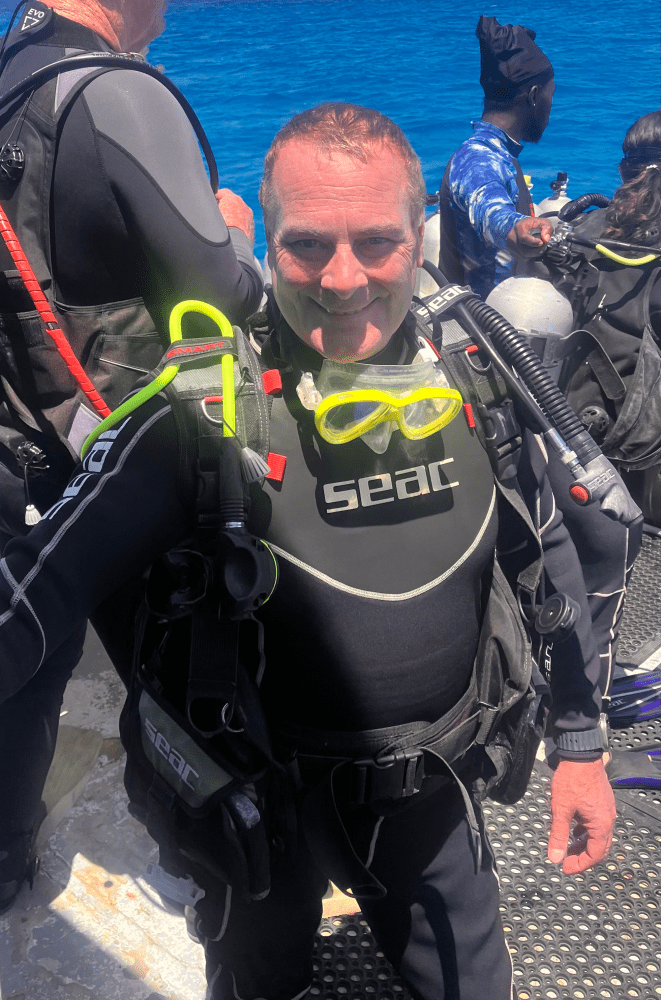
Photo compliments of Dive BVI.
Paid Advertisement

Click here to read this article on our Flippingbook platform.
More from This Issue:
THIS ISSUE’S ADVERTISING PARTNERS















Watch the Interview on Level Up for this issue:
Watch the Level-Up: From Behind The Counter Interview: