

Rubelis has launched “One Sentence to 3027”, a project that asks divers anywhere in the world to write one sentence about what they saw underwater after a dive. The sentences will be written to archival film and preserved in the Arctic World Archive, inside a former coal mine in the permafrost of Svalbard, Norway, as a record of the sea in the words of the people who saw it, addressed to readers a thousand years from now.
Every day, divers around the world see the sea at close range: a moray watching from a crack in the rock, a seagrass meadow thinning out, a fishing net draped over a reef, water that is warmer than it used to be. Most of these moments are photographed, posted and forgotten. Almost none of them are written down.
One Sentence to 3027 sets out to change that. After a dive, any diver can write one sentence of up to 280 characters about the strongest thing they noticed. They can add optional details: the dive area, date, maximum depth, water temperature and visibility. Each sentence is reviewed by Rubelis before it is accepted; sentences containing advertising, insults or other people’s personal details are excluded. Contributors can withdraw their sentence at any time until 31 December 2027.
“A photograph shows what the camera saw. A sentence shows what the diver noticed,” says Taylan Kırali, founder of Rubelis and a PADI IDC Staff Instructor based in Istanbul. “We are not asking for poetry or for science. We are asking divers to be honest about one moment. Put together, those moments become a record of what our seas were like, written by the people who were there.”
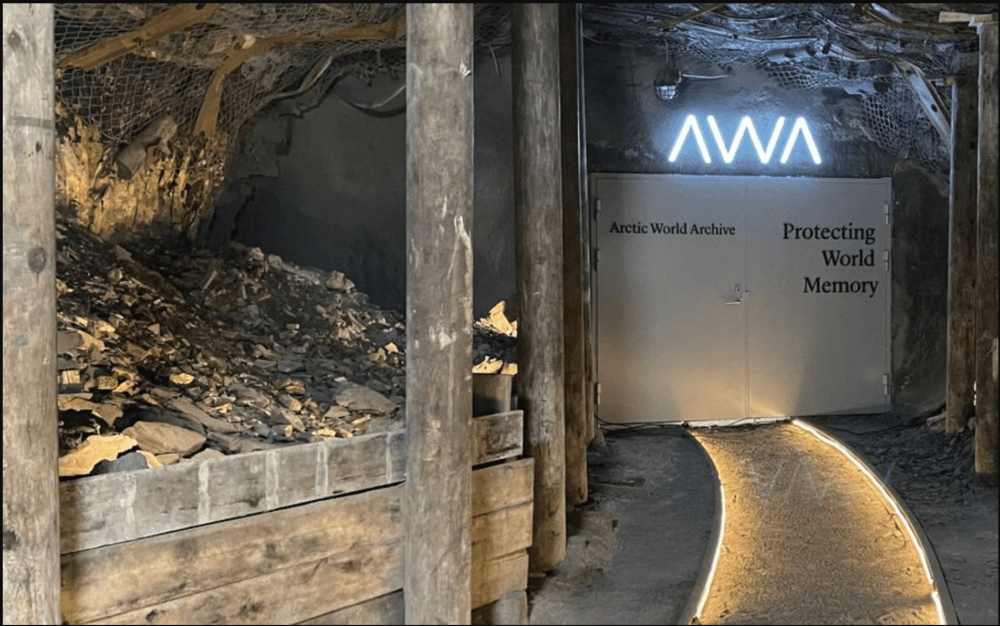

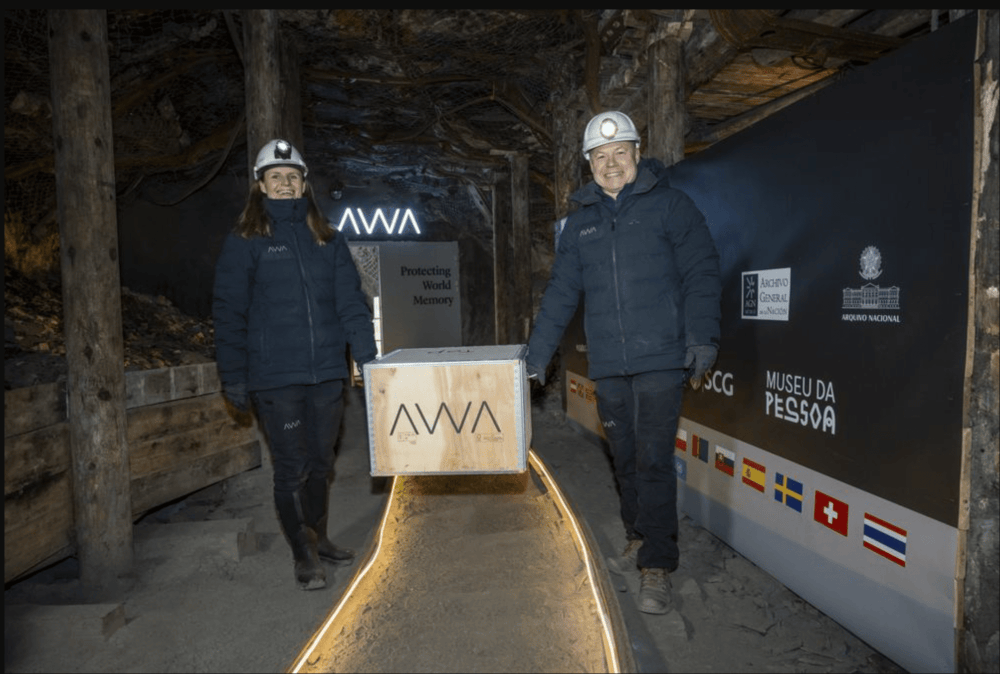
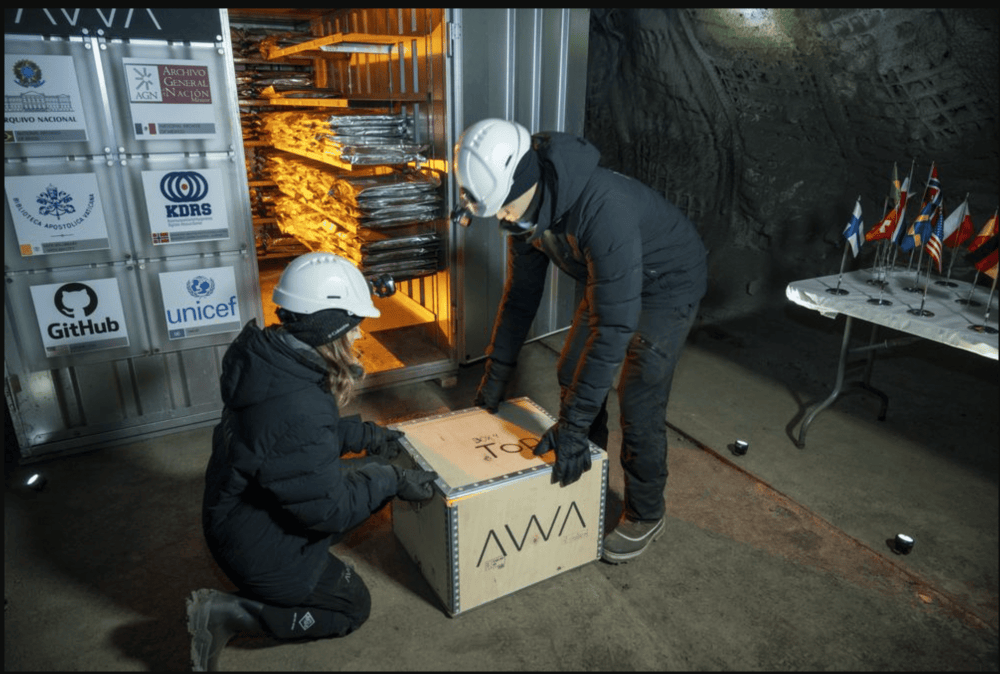
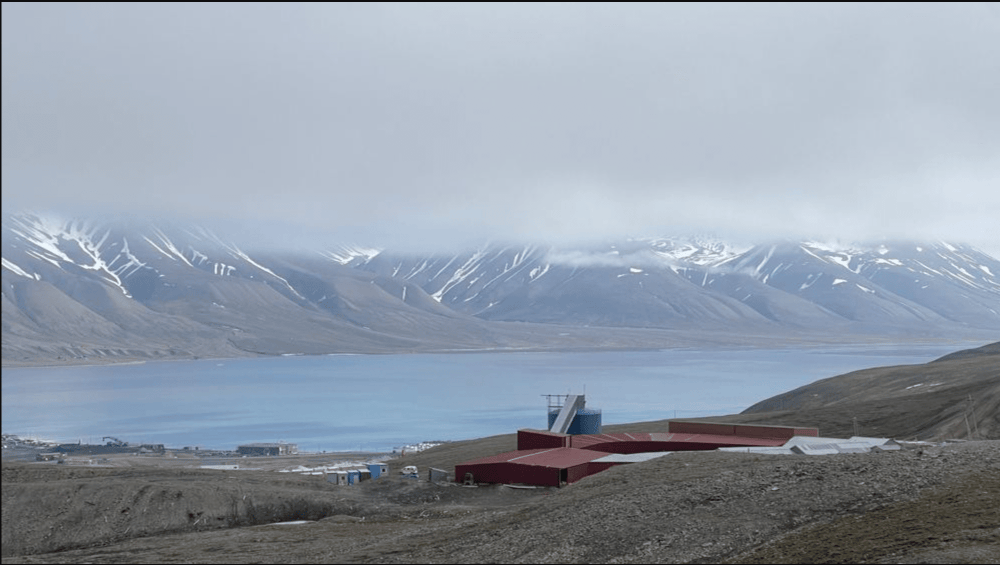
From a dive log to a mountain vault
Sentences will be collected until 31 December 2027. The approved sentences will then be compiled into a single volume, together with the date, country, depth and water temperature of each dive and an explanatory note in English and Turkish. In early 2028, the volume will be written to piqlFilm and deposited in the Arctic World Archive through a shared deposit arranged with the archive.
The Arctic World Archive was founded in 2017 by the Norwegian technology company Piql and became an independent, non-profit foundation in 2025. It lies deep inside Gruve 3, a decommissioned coal mine near Longyearbyen in Svalbard. Its collections include material from the Vatican Library, the Norwegian National Museum, the European Space Agency, UNICEF and archives of Brazil and Mexico, as well as GitHub’s open-source code archive.
Data on piqlFilm is stored offline and read with light, without electricity, internet or special software, and each reel carries its own instructions for decoding. According to the Arctic World Archive, the film has been tested to last 1,000 years under the conditions in the vault.
Testimony alongside data
The deposit is planned to grow each year. Alongside the divers’ sentences, Rubelis plans to include the open dataset from its Presence Survey Network, a citizen-science programme in which training dives become standardised surveys of indicator species, marine debris and water temperature. The network’s pilot started in November 2026 at three sites in Istanbul, and partner dive centres in other regions will join from 2027. Its data is published openly under a CC BY 4.0 licence.
Sentences written on Camera-Free Dive Day, a free worldwide event on 4 September 2027 that invites divers to leave their cameras on the boat for one dive, will also be eligible for the archive, with each author’s consent.
“Future researchers will have satellite images and sensor data from our time,” says Kırali. “What they will not have, unless we write it down now, is what it was like to be in the water and look. That is what divers can give them.”
How to take part
•Taking part is free. Anyone with an email address can write a sentence at rubelis.eu/en/3027.
•Every participant can archive one sentence per calendar year. Volunteers and graduates of Rubelis programmes can archive more: up to 20 for Presence Instructors.
•Approved sentences are published on rubelis.eu with the author’s chosen alias and country. Email addresses are never published or archived.
About Rubelis OÜ: An adult-education company registered in Estonia (registry code 17579501) that develops observation-based education for certified divers. Its course Rubelis Presence Diver was approved as a PADI Distinctive Specialty in October 2026. Rubelis OÜ is a member of the Partners4Ocean Community of the EU4Ocean Platform, the European Commission’s ocean literacy coalition, and a member of the Global Partnership on Plastic Pollution and Marine Litter (GPML).
About the Arctic World Archive: A long-term digital preservation vault in Svalbard, Norway, operated since 2025 by the independent Arctic World Archive Foundation. More information: arcticworldarchive.org