

category: Travel & Tourism (9 min read)
sponsors: Deep Blue Adventures Travel, Lita’s All Natural Insect Repellent
17,000 Islands of Indonesia: Where is Best for Groups and Regional Varieties

by David Prichard and Lily Mak, Enchanted Sea Images, Inc., Dallas, TX
LAST MONTH WE EXPLORED the Philippines, this month were tackling another destination with thousands of Islands – Indonesia. When you hear; “We had a great time when you took us to the Philippines, but we want to see more parts of this Coral Triangle area that has the best biodiversity in the world” said the group leader to you at your dive center. “How about setting up a trip to Indonesia?’
“We did have a wonderful trip to the Philippines, but we only saw a couple of the islands in the country that has 7,641 of them,” you reply. “While Indonesia also has great biodiversity, it might be a bit more challenging to plan since the country is spread out over twice as many islands (around 17,000) stretching from west of Malaysia in the Indian Ocean over to Papua New Guinea, which is north of Australia in the South Pacific. That’s a huge area, so let’s plan on just one part of the country for our trip.”
As described in December’s Scuba Diving Industry Magazine overview article on the Philippines, the Coral Triangle’s exceptionally high biodiversity is largely due to the region not being encased in ice during the Ice Age. As a result, life both below and above the waves was able to flourish and evolve. The islands of Indonesia straddle the equator, providing warm water year round, and contain approximately 18 percent of the world’s total coral reefs, nearly one fifth. These reefs cover about 20,000 square miles, more than 51,000 square kilometers, or over 12 million acres, more than 5.1 million hectares, underwater. This region is home to roughly 5,000 species of marine life and nearly 600 species of coral.
Popular Diving Regions: There is a span of about 16,000 miles from one end of Indonesia to the other, so there are a lot of cultural differences among the 17,000 islands. In reference, the continental United States has only about 3,000 miles covering one end to the other with a lot of cultural differences between the state regions. Imagine now being over five times the length of the USA and mostly separated by water to create thousands of individual island cultures and pristine coral reef areas to dive upon. But Indonesia has a few regions that have become popular for dive tourists, namely the areas around Bali, Sulawesi, and the eastern part of the country that is west of Papua New Guinea and above western Australia.
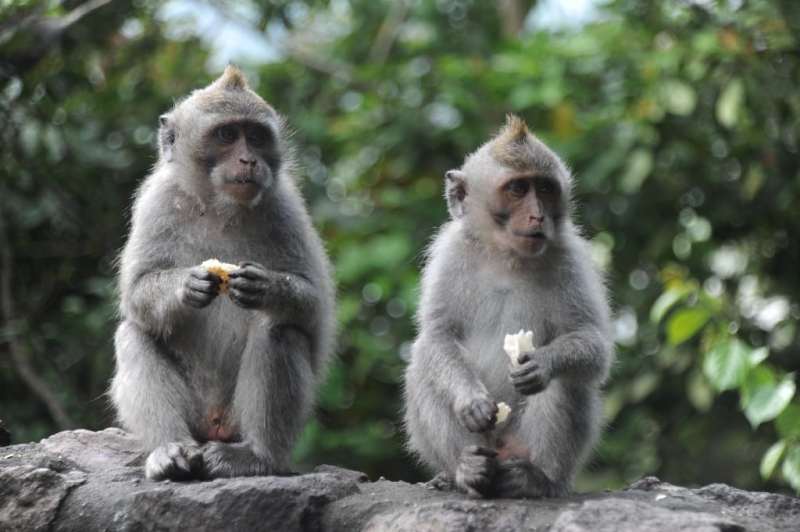
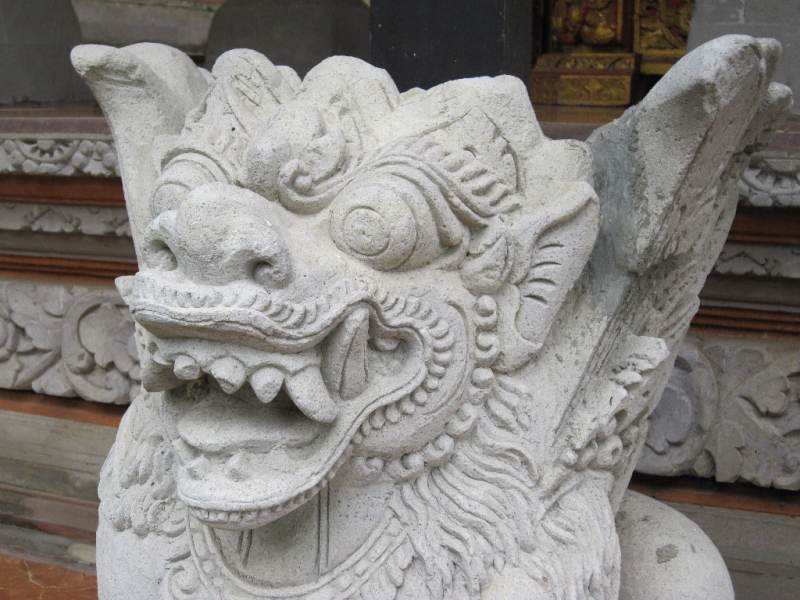
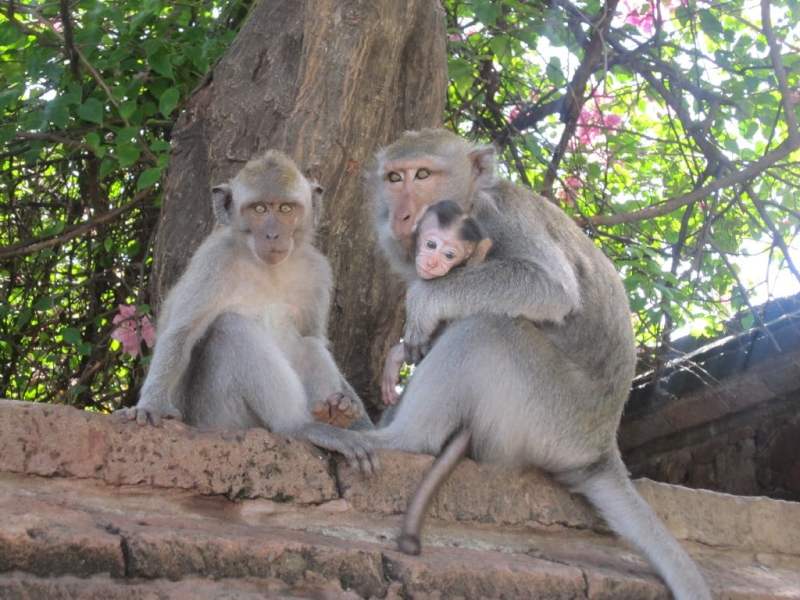


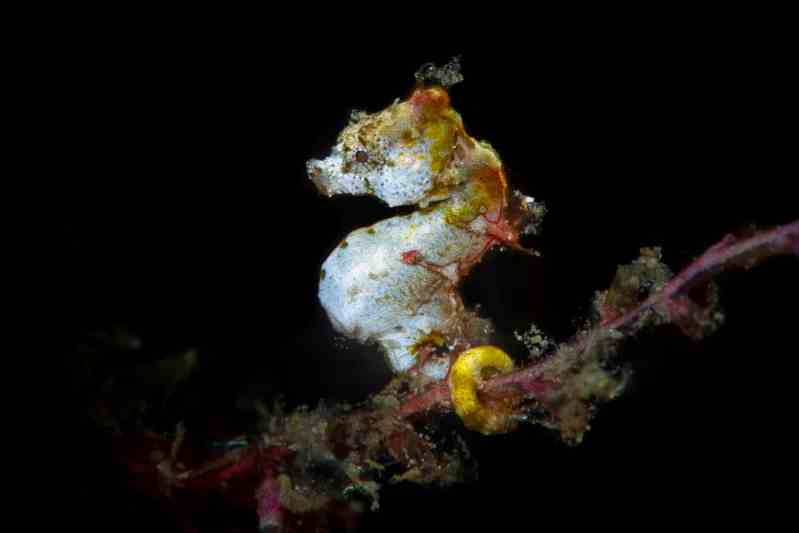

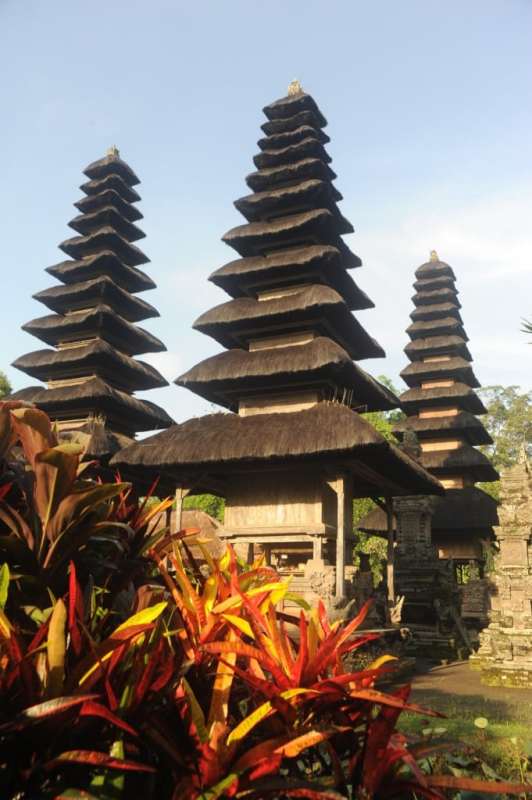


The Bali Region: The island of Bali has long been a tourist attraction due to its high concentration of a variety of art forms and culture as it is the only island in the nation whose inhabitants are primarily of the Hindu religion. While the capital and main international airport is in Denpasar, the City of Ubud is the island’s cultural center for dance and art, as featured in the 2010 film “Eat Pray Love” starring Julia Roberts, Javier Bardem, and James Franco.
Divers discovered that the island was rich in marine life right off the coast so there are a lot of dive sites accessed by shore diving. Divers can find most of the “hit list” of exotic and rare sea creatures in Bali’s waters, including the Dugong “sea cow” that is related to the manatee. Besides colorful reefs, Bali also has shipwrecks to inspect, such as the Liberty wreck off Tulamben beach that was torpedoed by a Japanese submarine in World War II and then beached on the shore before a nearby volcano erupted and its lava flow pushed the freighter back into the water.
Bali also has offshore islands that are popular dive sites, like Nusa Penida where divers can spot the giant Mola Mola fish (Oceanic Sunfish) visiting from July to October. Northwest of Bali is Menjangan Island that offers colorful reefs and drop-offs but also features wild deer that can be seen swimming around the protected island. East of Bali is Lombok and the Gili Islands which is known for clear and calm waters for all levels of divers to enjoy the immense biodiversity of marine creatures.
The Sulawesi Region: The island of Sulawesi has three well-known scuba diving destinations with two in the north and one in the southeast. Flying into Manado, divers can quickly visit the nearby Bunaken National Marine Park (made up of five islands) that is known for its high concentration of sea turtles, pelagic fish, giant clams, and variety of corals and macro marine life.
Across the northern tip of Sulawesi on the eastern side is an area known for its “muck diving” and exotic creatures along the Lembeh Strait. This is a narrow stretch of water between Sulawesi and the island of Lembeh which is renowned for its macro photography subjects like hairy frogfish, flamboyant cuttlefish, nudibranchs, mimic octopus, and more. To the north of Sulawesi are the volcanic Sangihe Islands, which reaches almost to the Philippines.
Paid Advertisement

While off-gassing, divers can tour the nearby Tangkoko Batuangus Nature Reserve, where you can find 79 mammals, 103 birds, and 29 reptile and amphibian species endemic to the island. This includes the smallest primate in the world – the spectral tarsier, which weighs less than a half-pound. Other rare animals include the crested macaque and the Sulawesi bear cuscus.
If you fly into the southern capital of Makassar (aka Ujung Pandang), you can reach another national marine park, Wakatobi, named as an acronym of its four main islands (Wangi-wangi “WA”, Kaledupa “KA”, Tomia “TO” and Binongko “BI”). This area is part of a UNESCO Marine Biosphere Reserve that features wall dives, pinnacles, and a wide range of macro life to large marine creatures in areas of active currents.
There are also many dive destinations on the major island of Sumatra, such as Pulau Weh at the most western part of Indonesia in the Indian Ocean, plus Bangka and Belitung Islands with Malaysia to the north.
The Eastern Region: West of Papua New Guinea and above western Australia are several thousand small islands in an archipelago featuring pristine reefs that hold over 1,600 species of fish and 550 species of coral. Most of these islands are hard to access other than liveaboards or long boat rides from developed resort areas.
The first of these areas has become a hotbed for divers wanting untouched and diverse reefs and is now called Raja Ampat (formerly known as Irian Jaya, or Western New Guinea). This area contains around 1,500 small islands with fringing coral reefs around all of them with marine life to match. Raja Ampat means “four kings” in relation to its four main islands of Misool, Salawati, Batanta, and Waigeo. It has been considered the “Crown Jewel” of Indonesia’s biodiversity with the highest concentration in the world including over 1,200 species of reef fishes (many endemic) in this area alone.
This area was once referred to as “Frontier Diving” as dive sites were only accessible by long boat rides from island resorts. Now there are over 60 liveaboard dive boats patrolling the remote reefs of Raja Ampat. Dive travelers to this area generally first fly into Sorong and then transfer to Marinda Airport in Waisai.
In a remote area in eastern Indonesia are the 11 islands of the Banda Sea which also showcase unspoiled reefs and a wide variety of marine life from large pelagic fish to “muck diving” macro subjects around Ambon. Another dive area, serviced only by liveaboards, is called the “Forgotten Islands” (Southeast Moluccas) due to its remoteness and pristine conditions fed by nutrient-rich currents (featuring schools of hammerhead and other sharks) among its numerous volcanic archipelagos that also have nearshore black sand areas for macro muck diving. The Austronesian natives of this area have preserved their own culture and traditional crafts.
Well-known in this next area, is an Indonesian National park known not only for its large marine life encounters in its strong currents, but for a unique land creature – the Komodo Dragon, which is the largest lizard in the world. Komodo Island is part of the Komodo National Park (another UNESCO biosphere reserve) and can be reached by flying into Labuan Bajo airport on Flores Island and then taking a boat to the island.
Paid Advertisement

Planning a trip: Since Indonesia straddles the equator zone, the weather remains tropically warm all year long with air temperatures averaging about 82°F (28°C) along the coastal areas. The dry season is April through September with the rainy season lasting from October to March. The water temperature remains somewhat consistent ranging from 79°F (26°C) further away from the equator and up to 86°F (30°C) along the equator.
Like many destinations, Indonesia has an online Indonesia Arrival Card (eVOA) that is mandatory for all travelers and must be submitted online before arrival to register your travel and customs information. This form can be found at Indonesia Arrival – Arrival Card Service. Flights into Indonesia depend upon which region you are visiting. Considered the busiest airport in Southeast Asia, Soekarno-Hatta International Airport outside of Jakarta connects to approximately 433 airports in the island nation. International airports from countries surrounding Indonesia, such as Singapore, Kuala Lumpur, Manila, Hong Kong, Doha (Qatar) and many others also service portions of Indonesia’s islands.
From the United States and many other places in the world, long flights and often multiple connections are required to reach the various regions of Indonesia.
Many dive travelers often plan a few days at the airport hub closest to your destination to not only break up the travel time for jet lag, but to explore the area (like those mentioned above) and sometimes let your luggage catch up to you if there were any flight delays before reaching your final destination.
See the article “Schedule Time to Smell the Roses” in the past June issue of Scuba Diving Industry Magazine for more information on this subject.
No matter what region you plan on exploring, Indonesia has lots to offer divers in biodiversity above and below the waves, plus unique cultural land experiences.

Click here to read the full article on our Flippingbook platform!










RECENT ISSUES



MAGAZINE TOPICS